Welcome To Towrite
BEHIND YOU ALL THE WAY SINCE 1971.
REQUEST A QUOTE
PRODUCTS DESIGNED FOR EVERY VEHICLE TYPE
Products
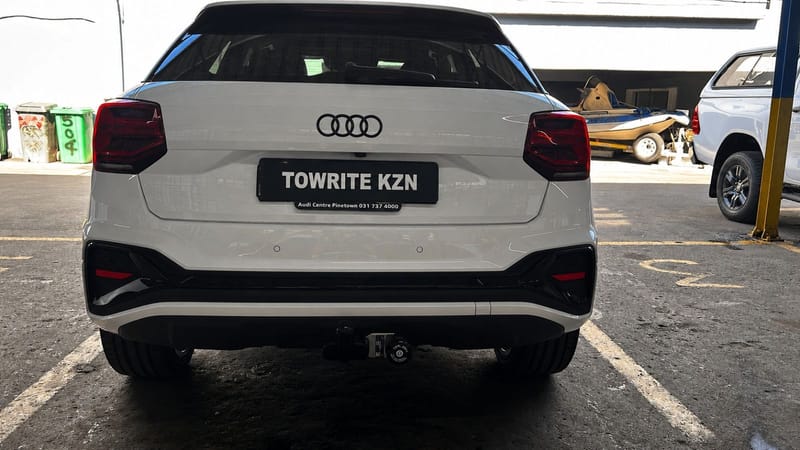
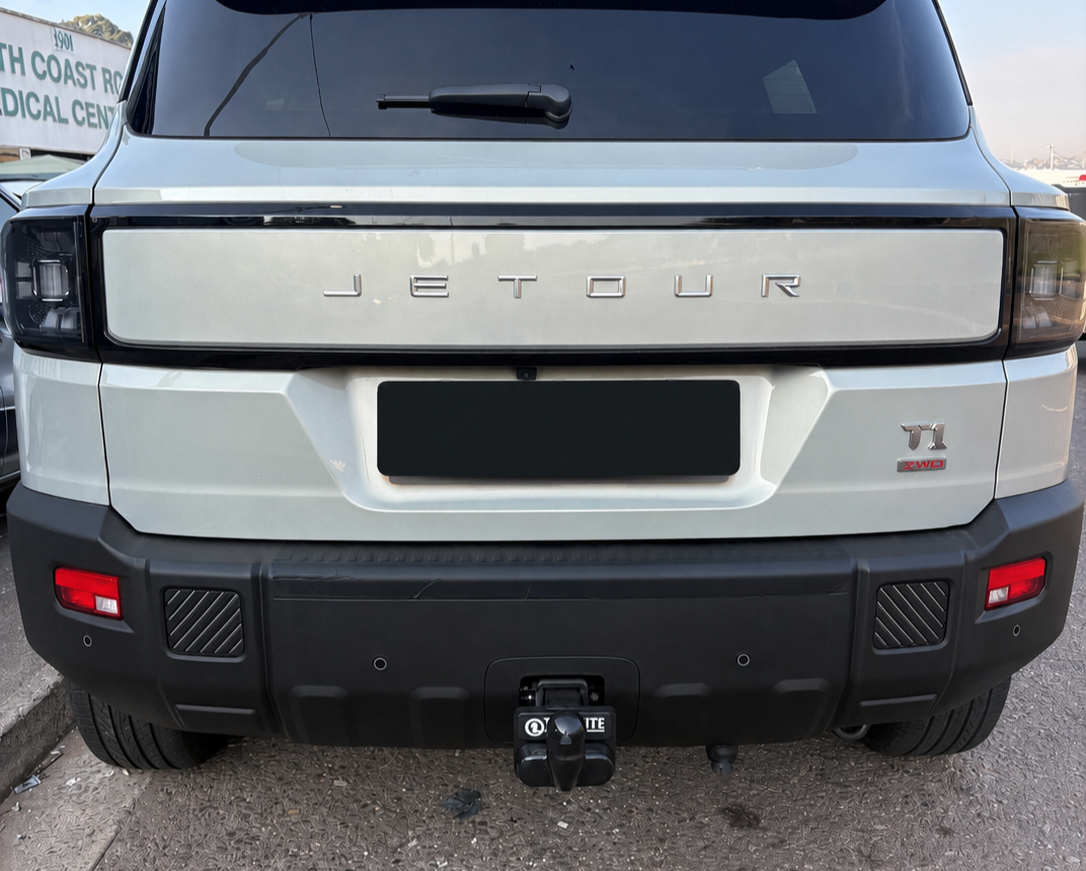
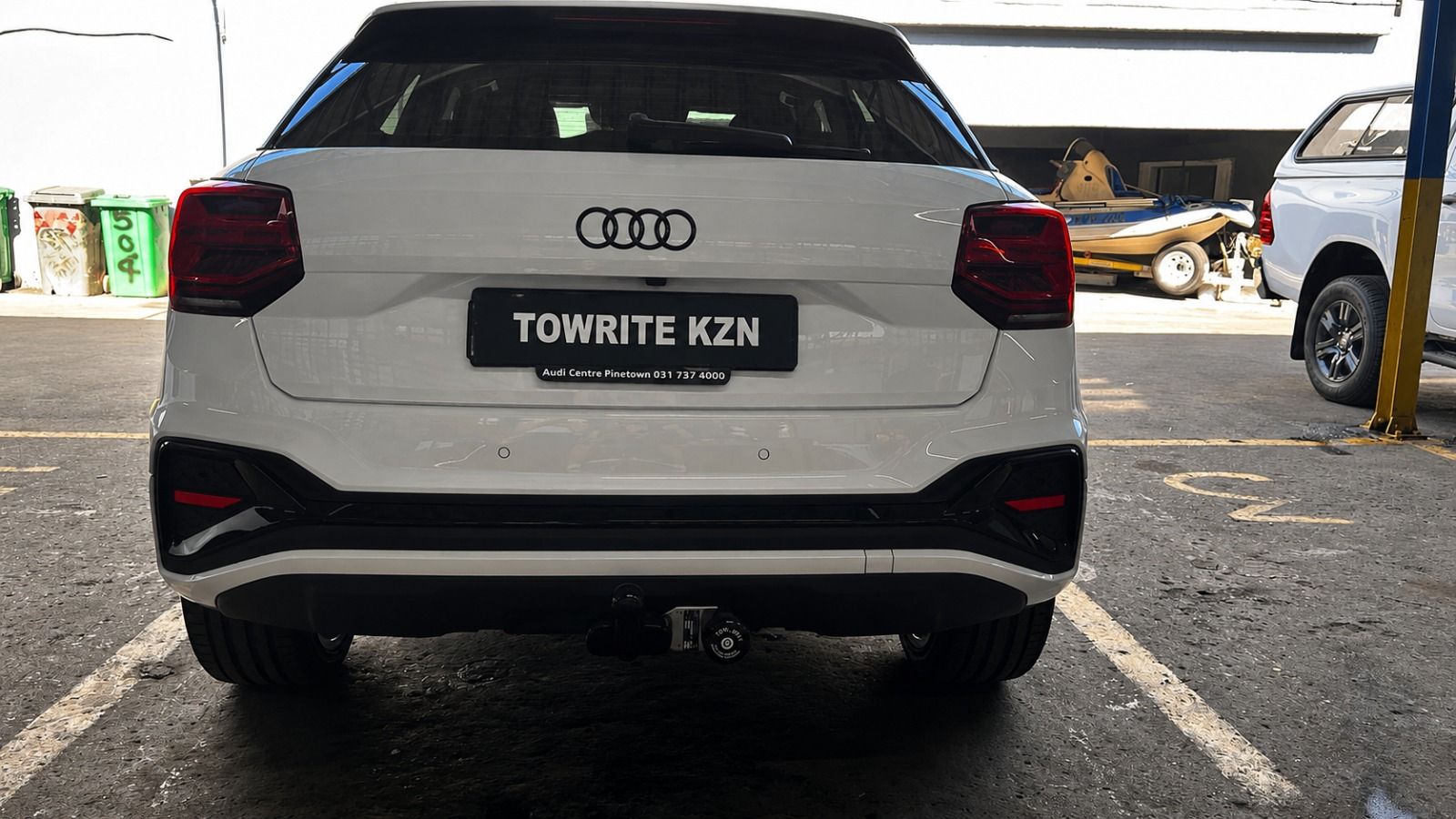
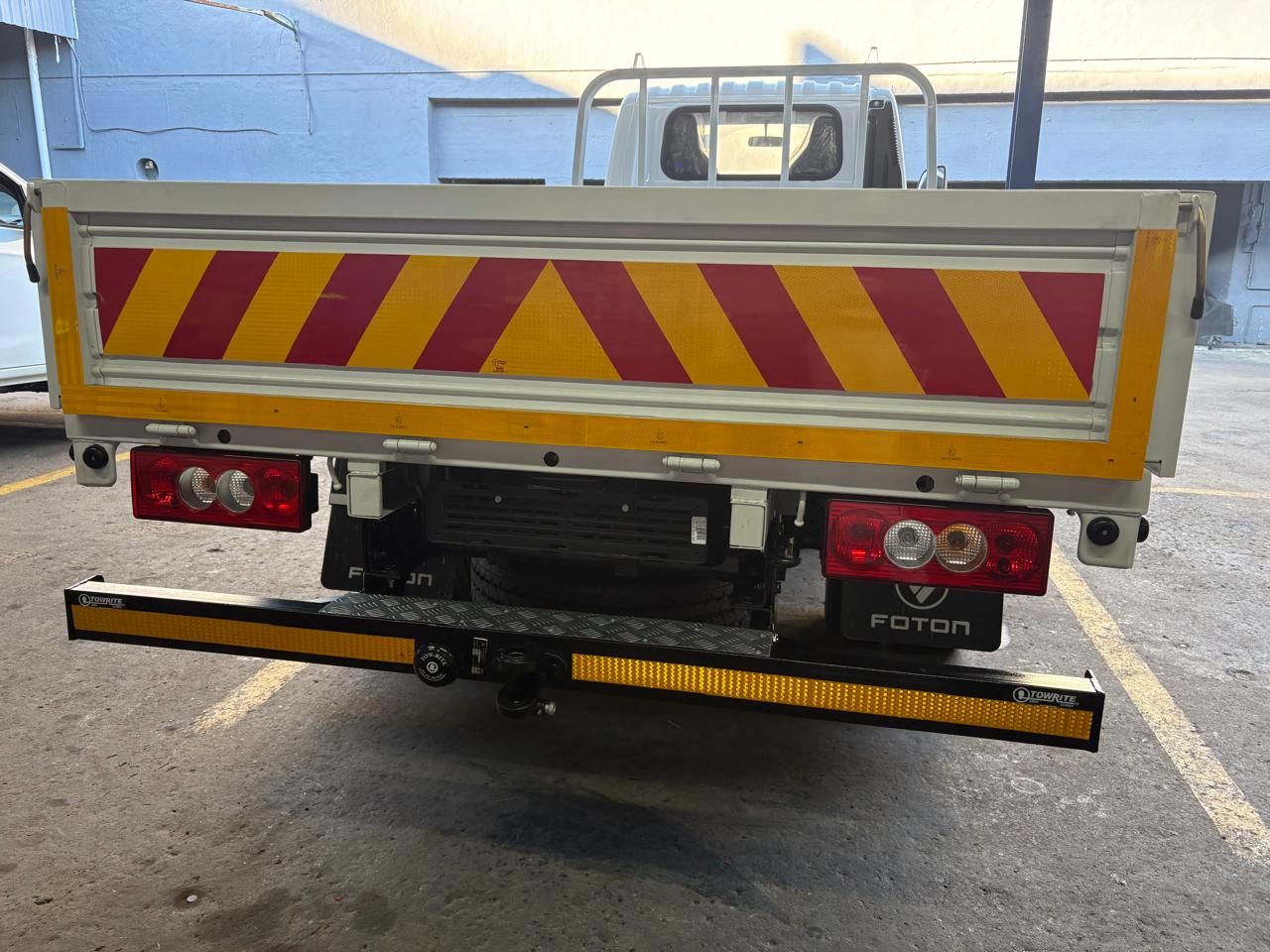
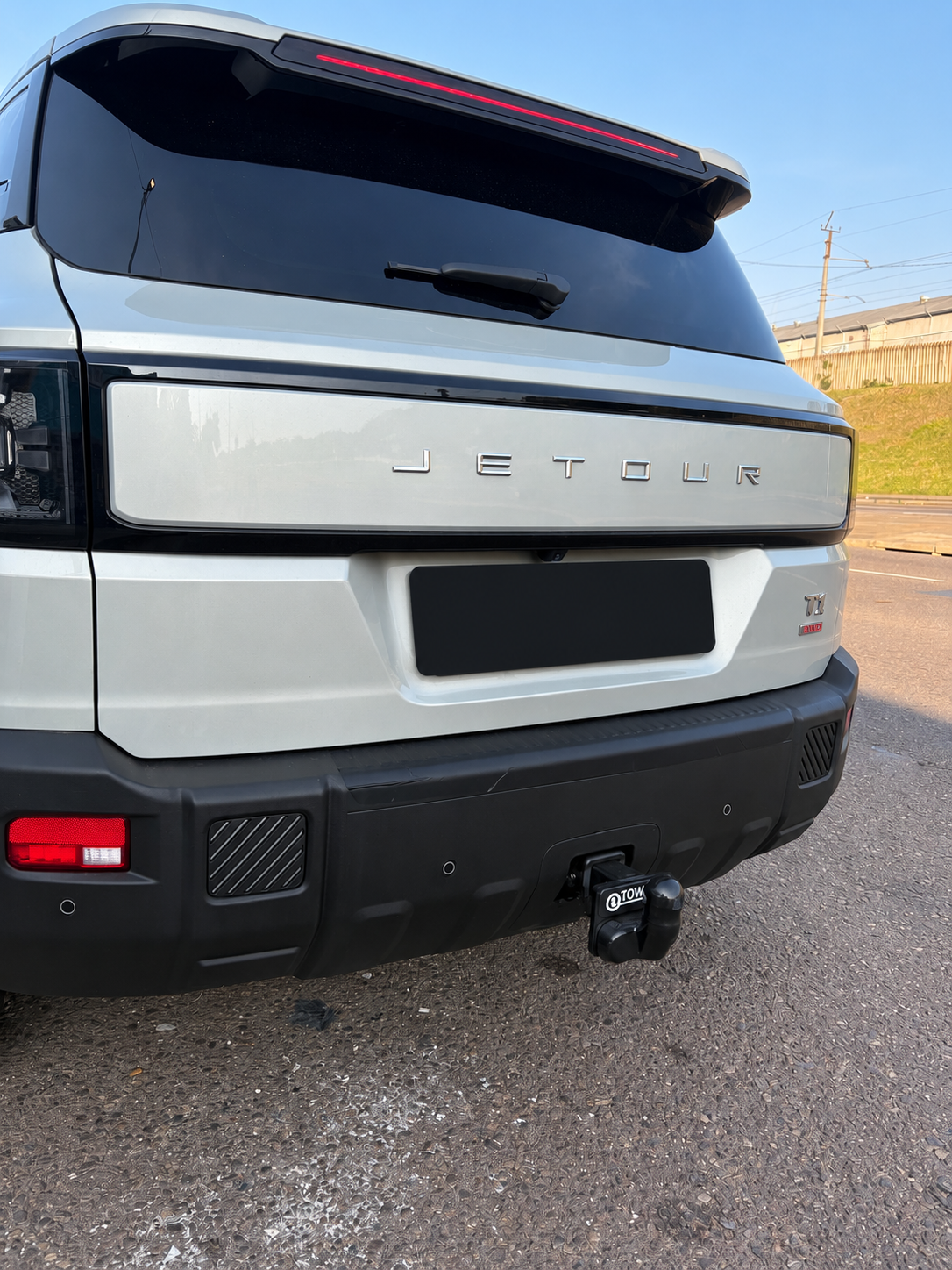
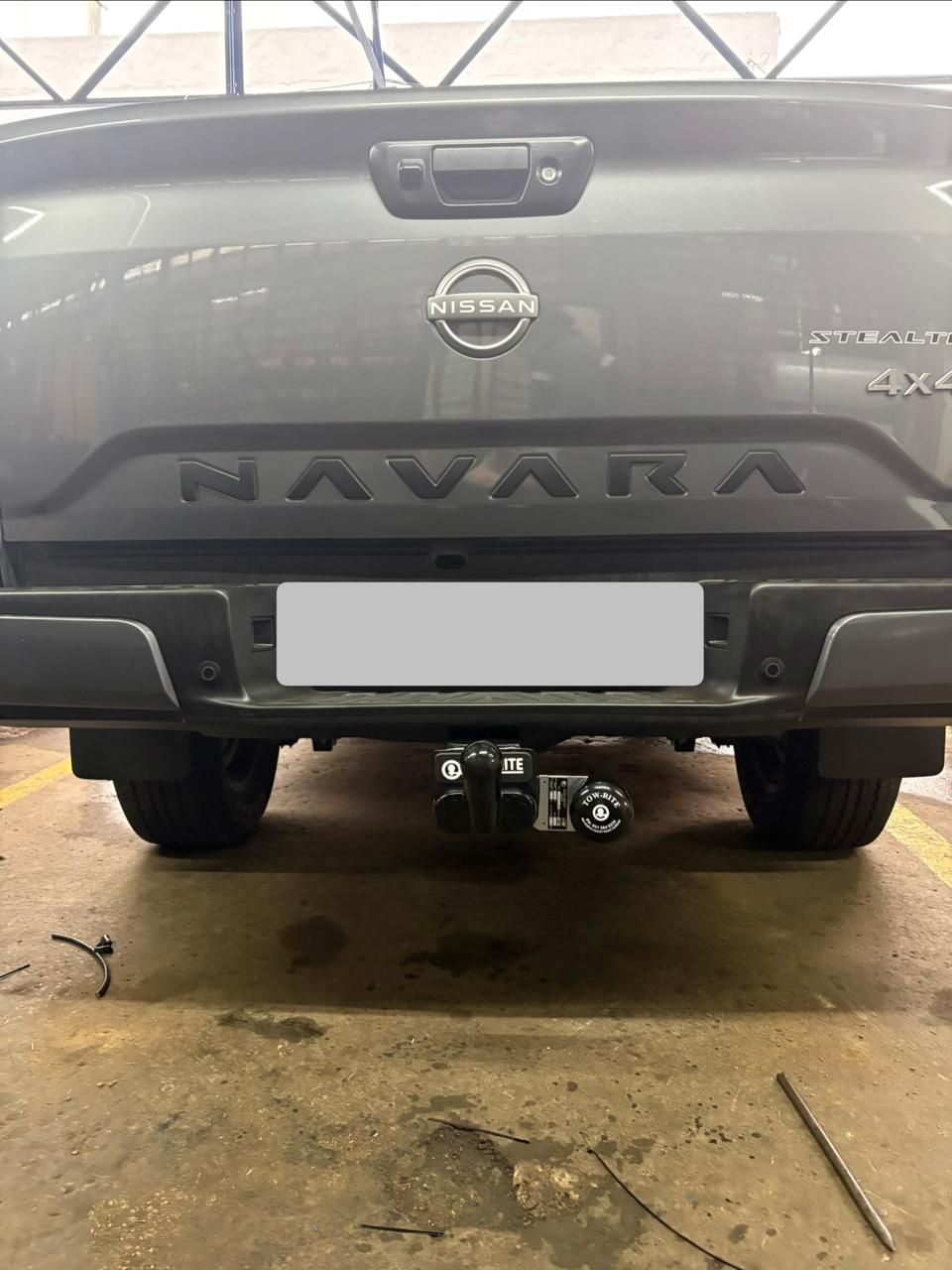
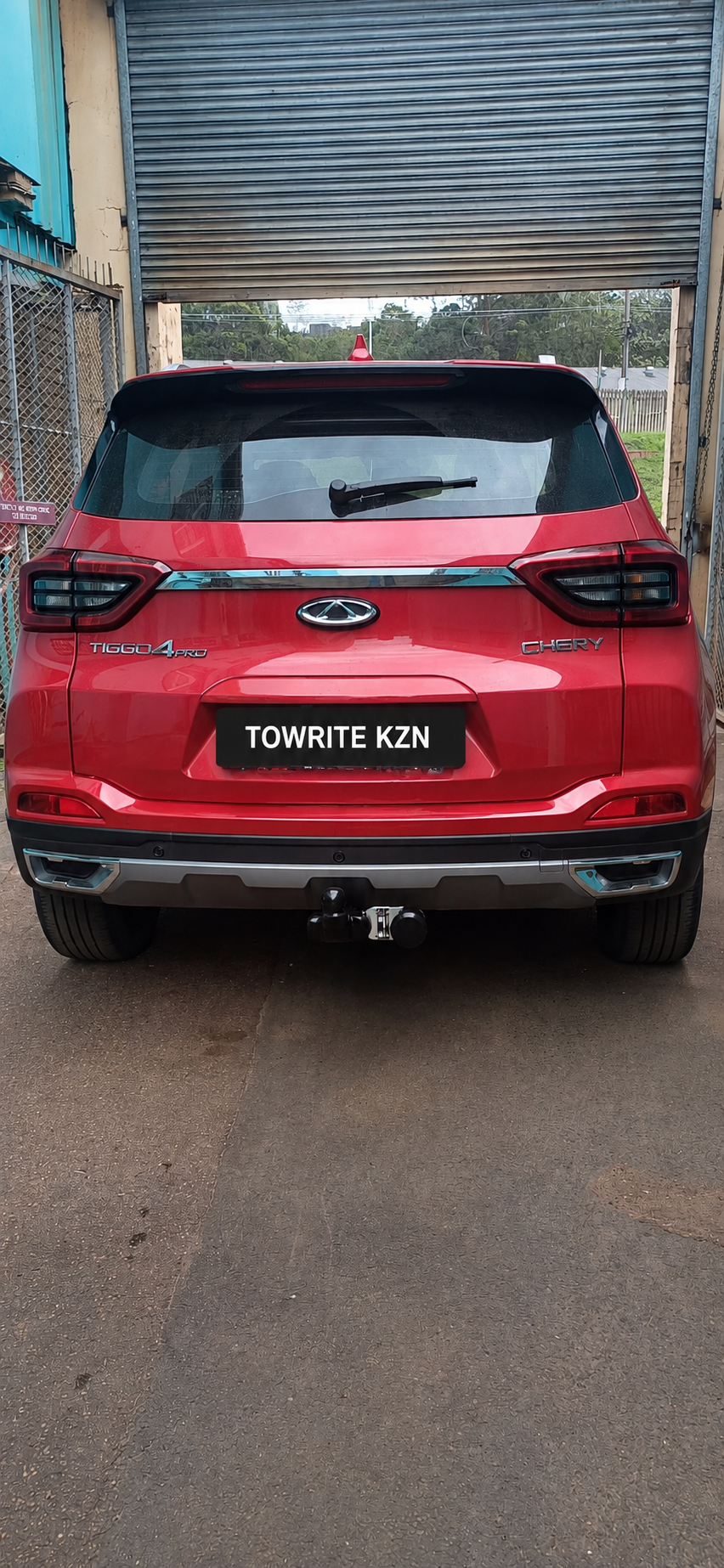
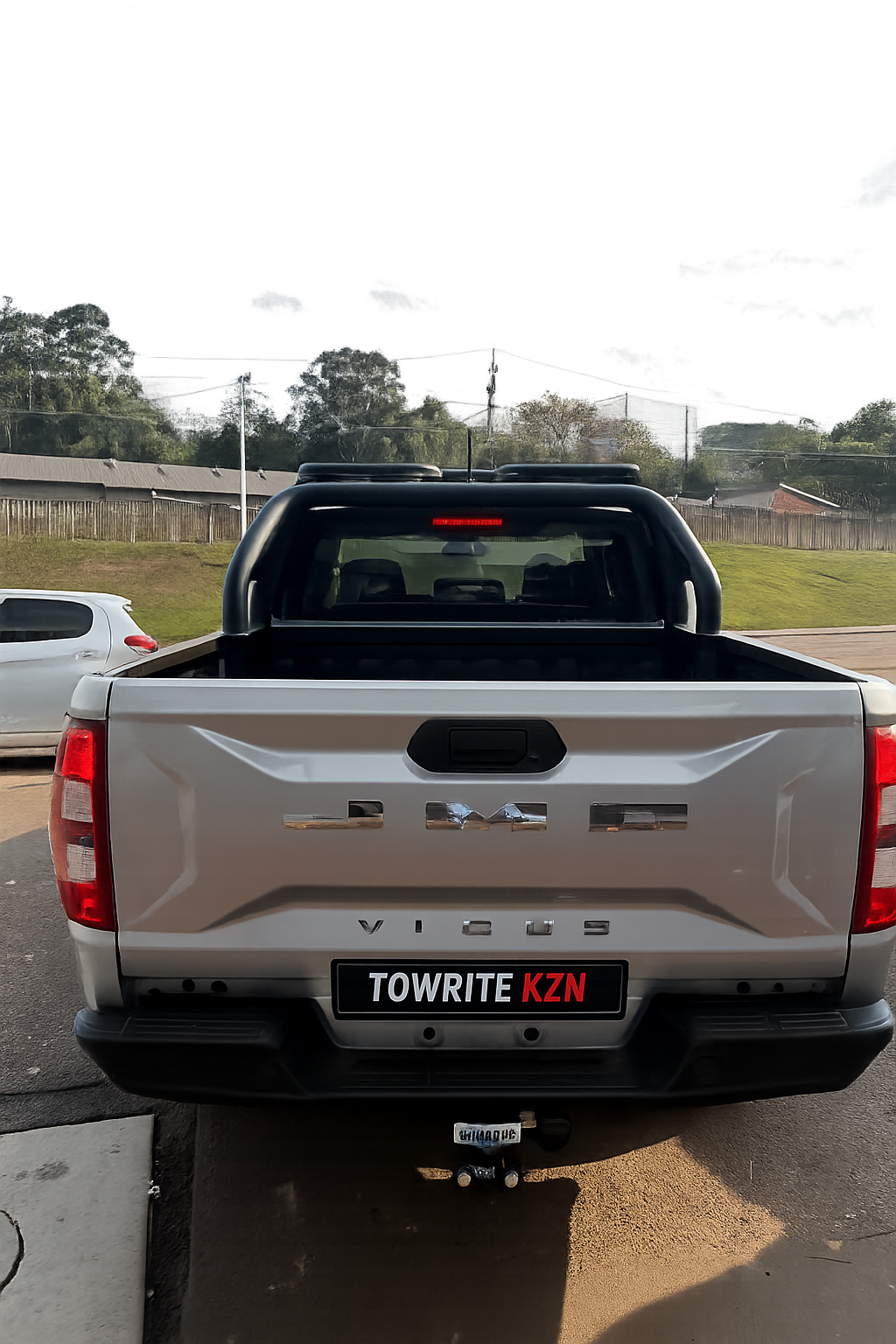
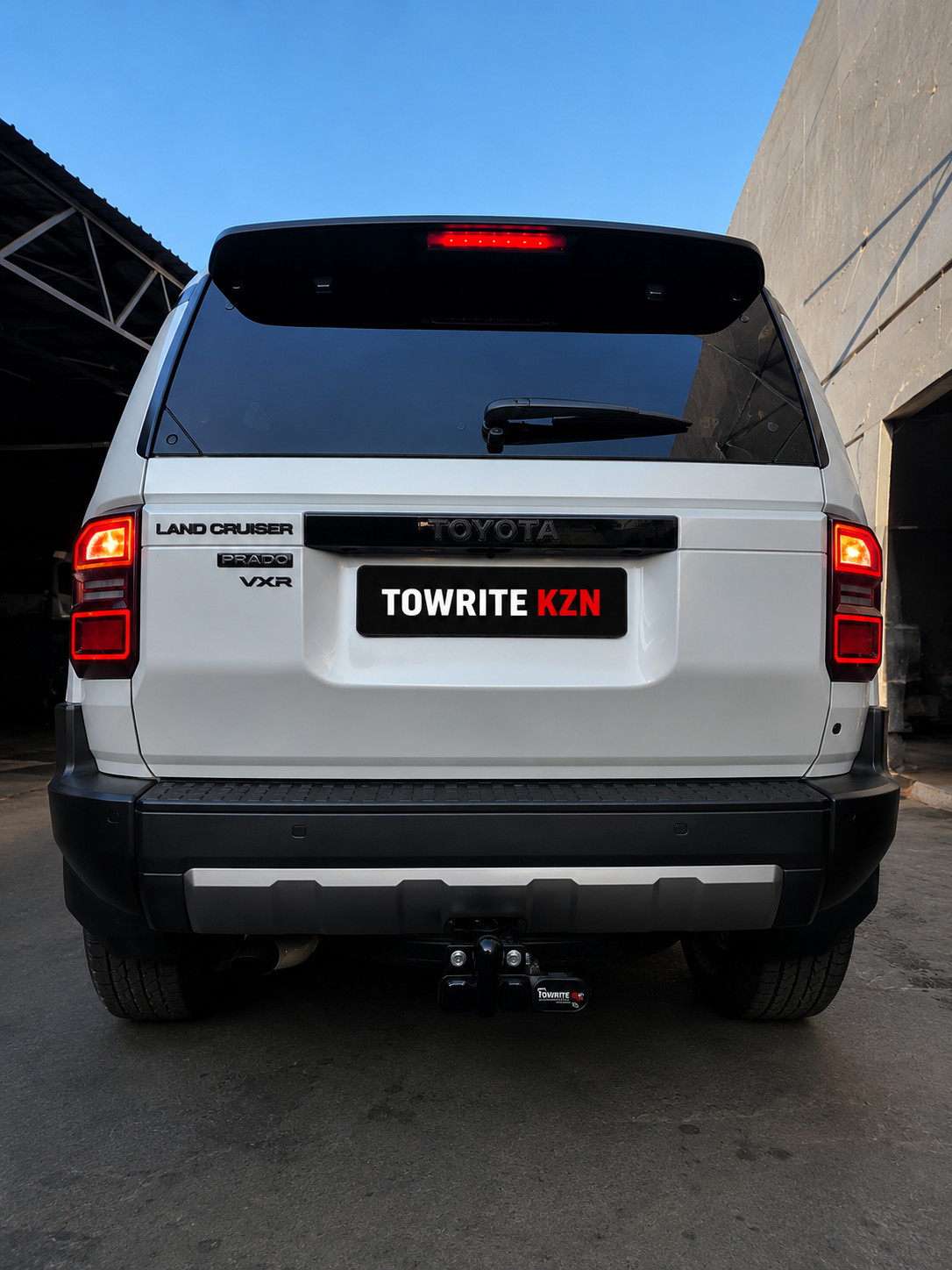
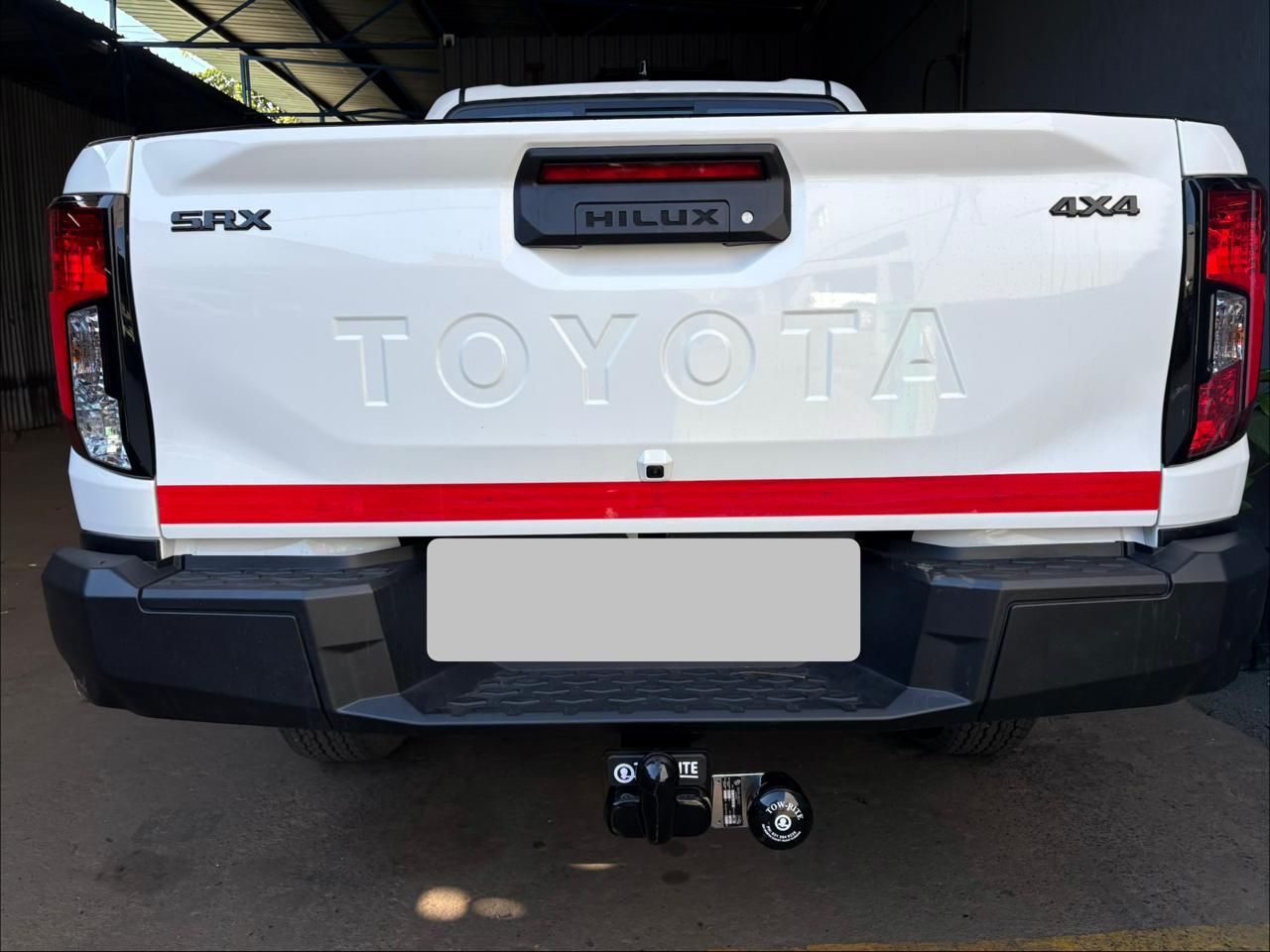
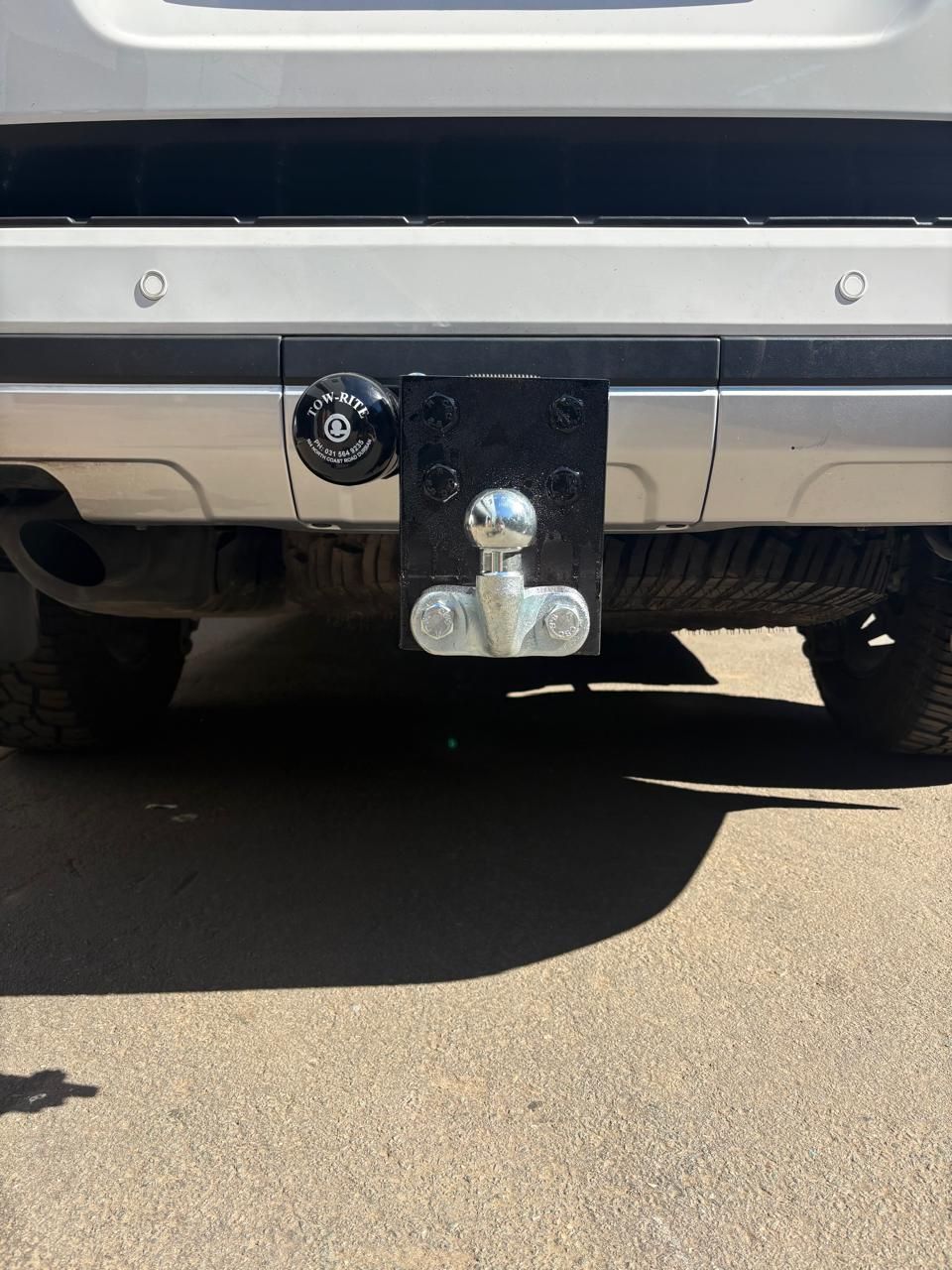
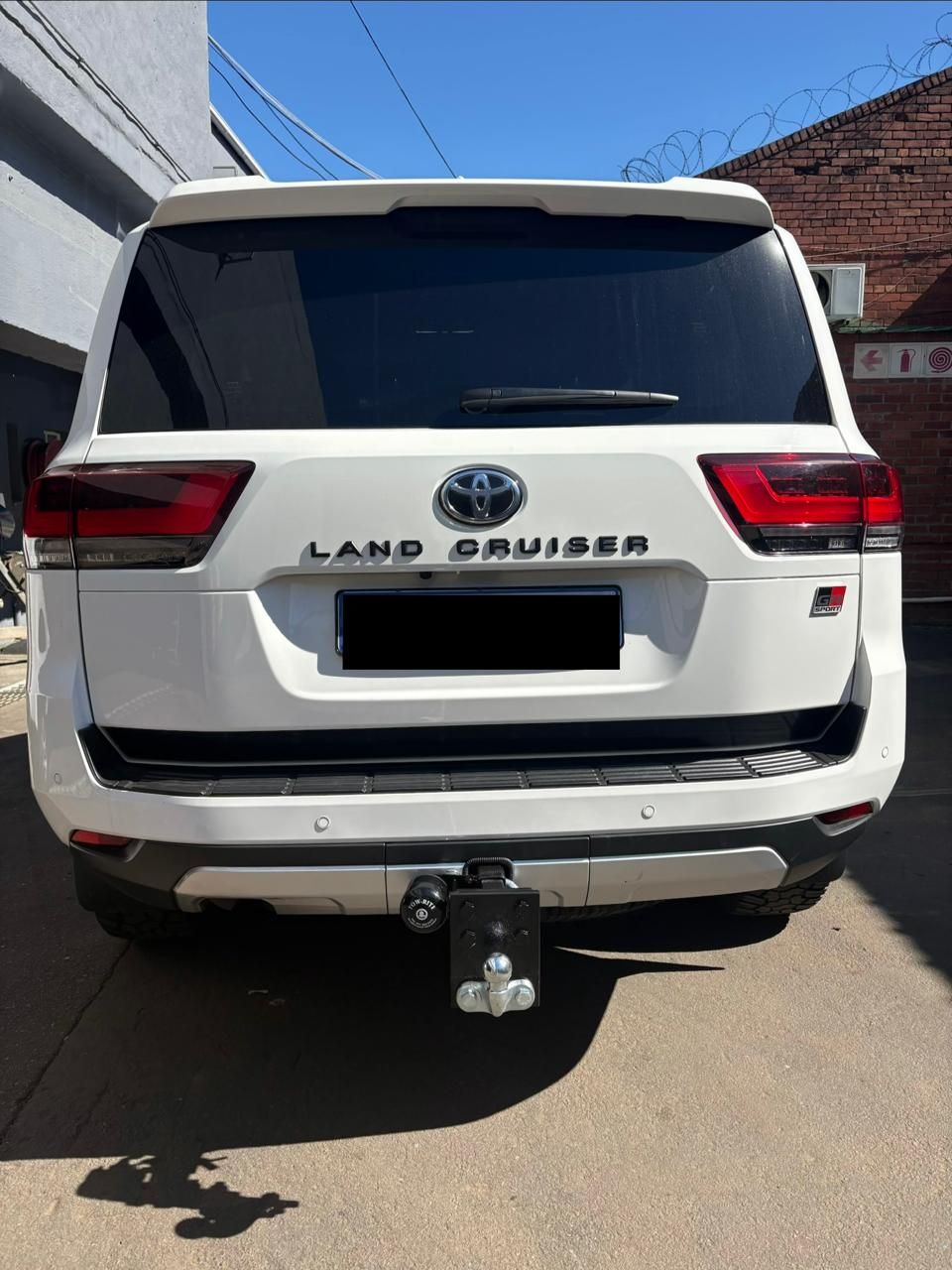
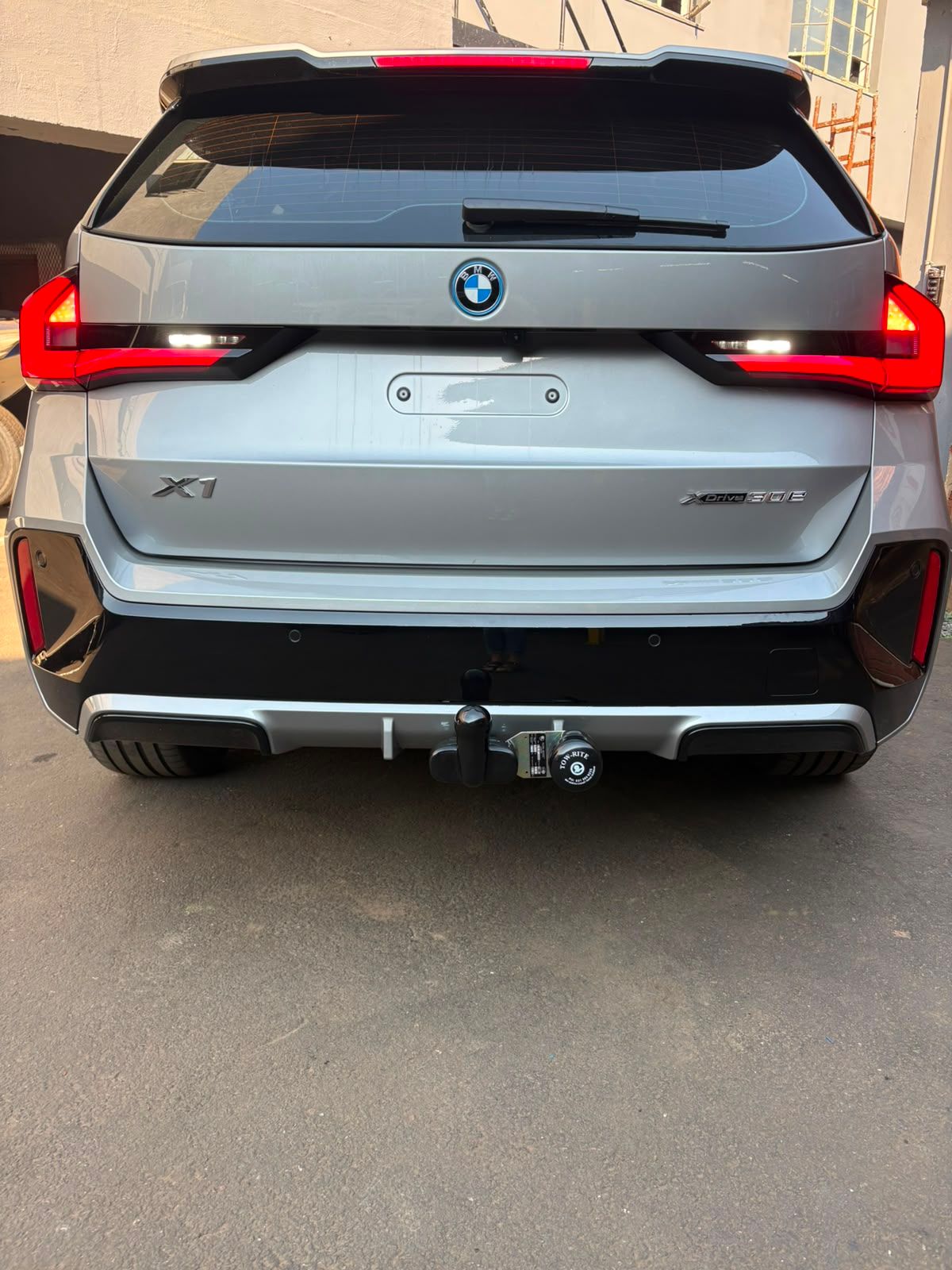
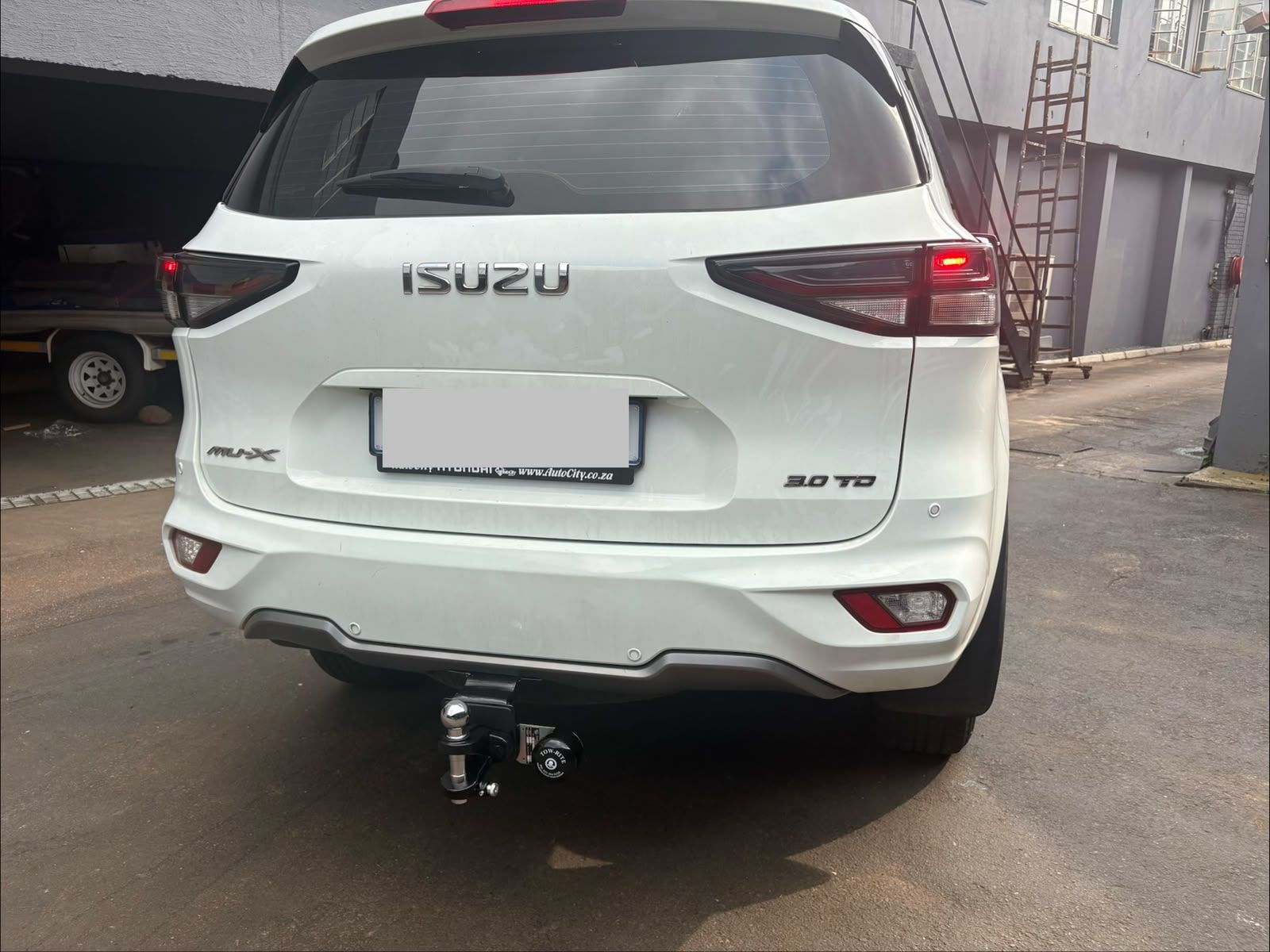
TOW-BARS
SABS Approved Tow-bars
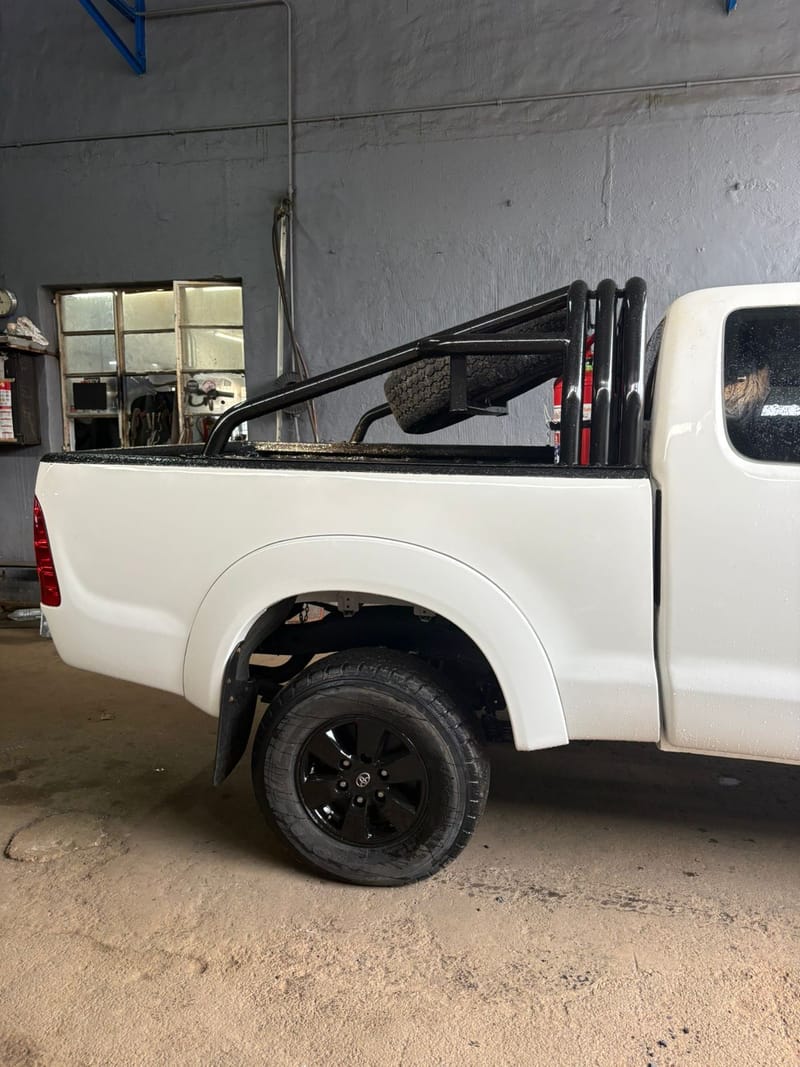
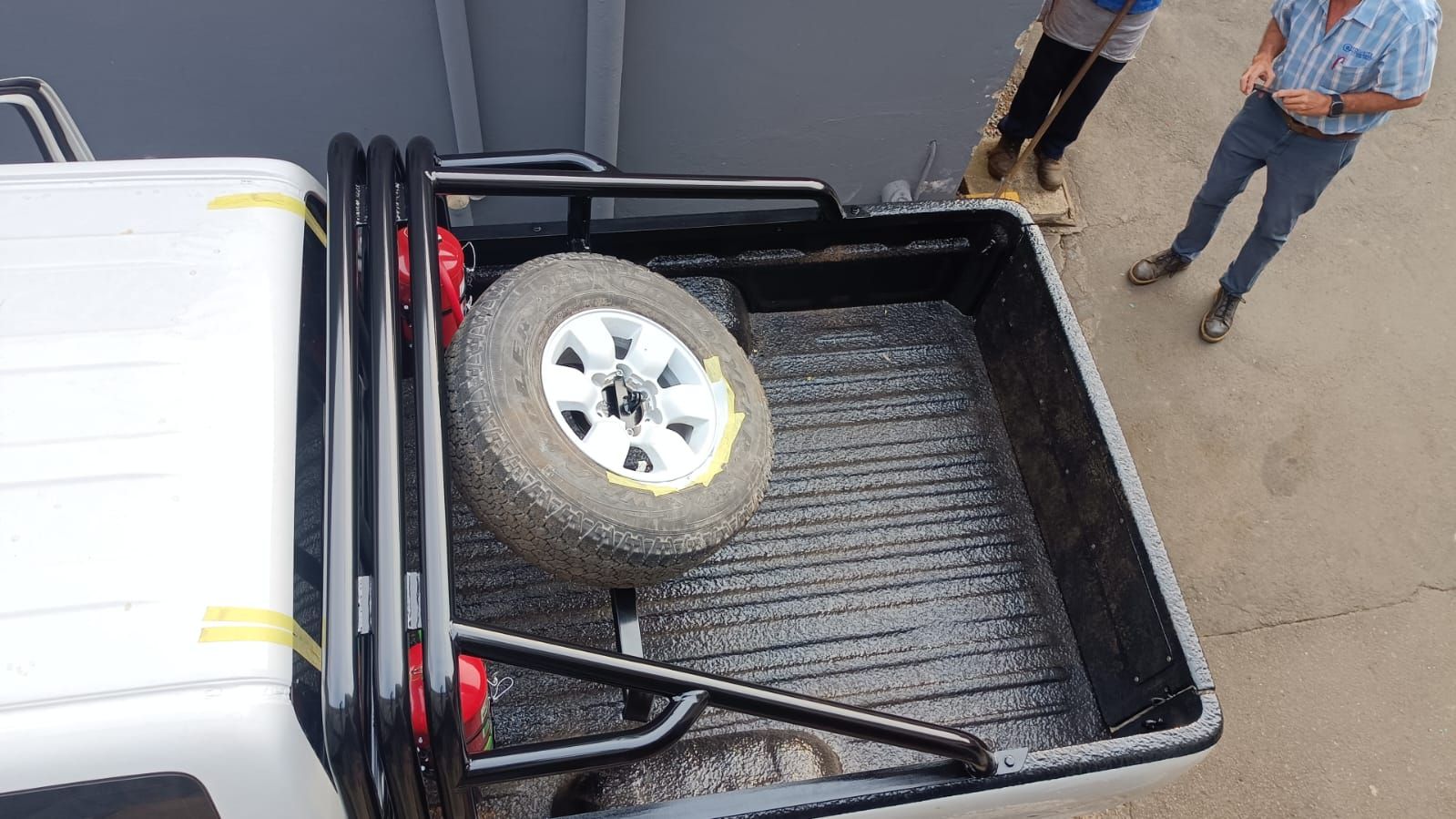
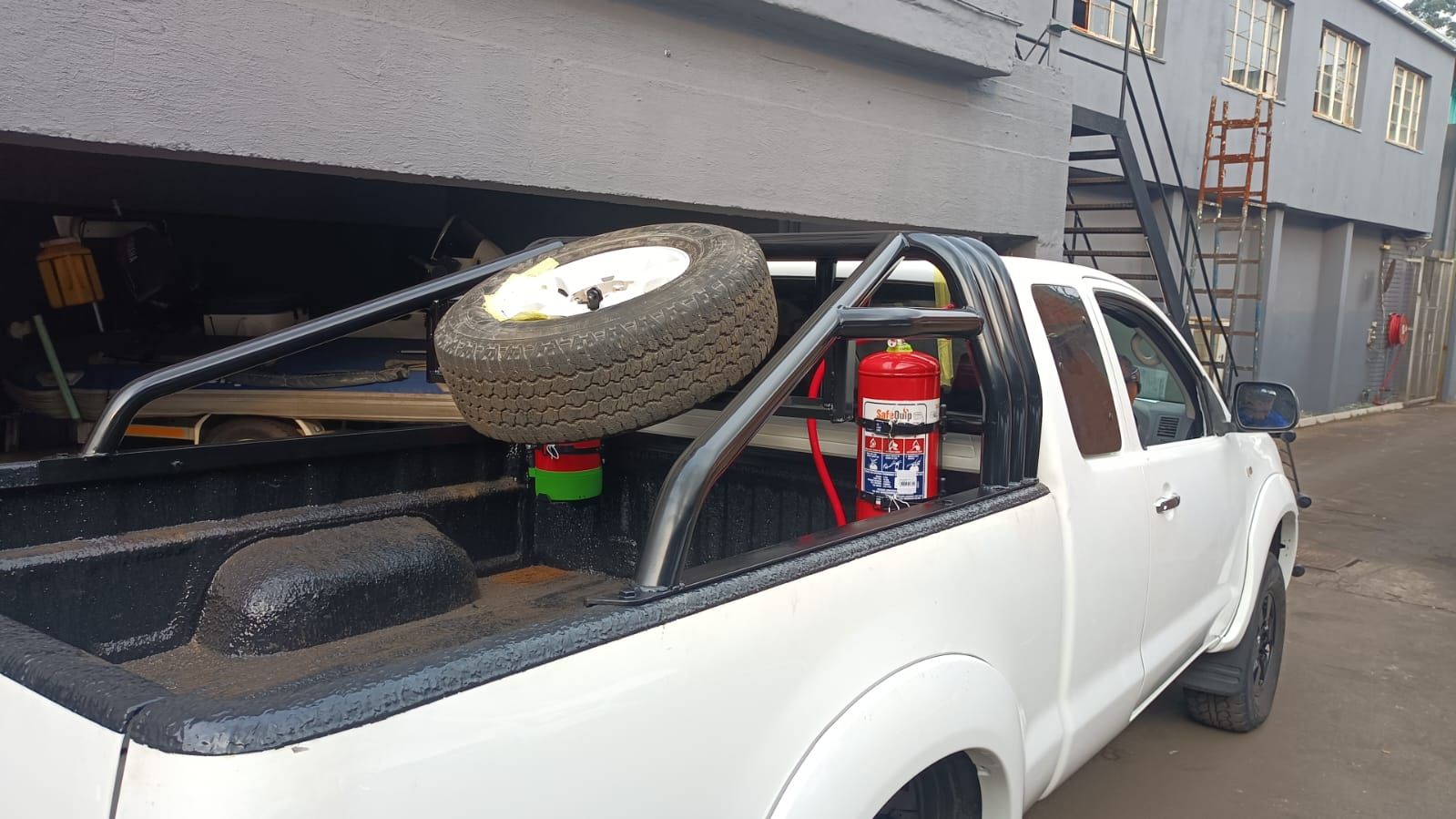
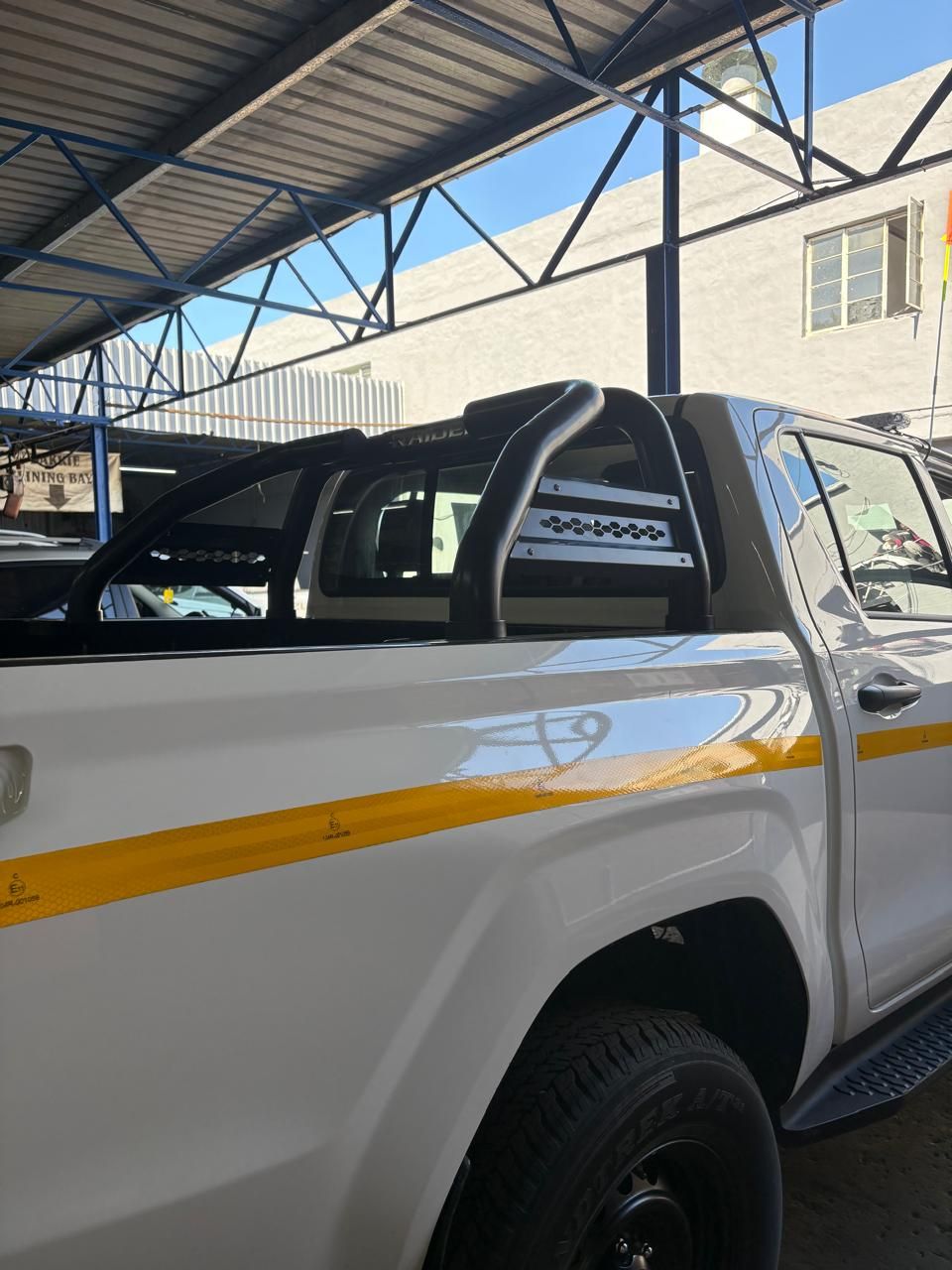
ROLL BARS
We are able to custom build you a roll bar, according to your needs.
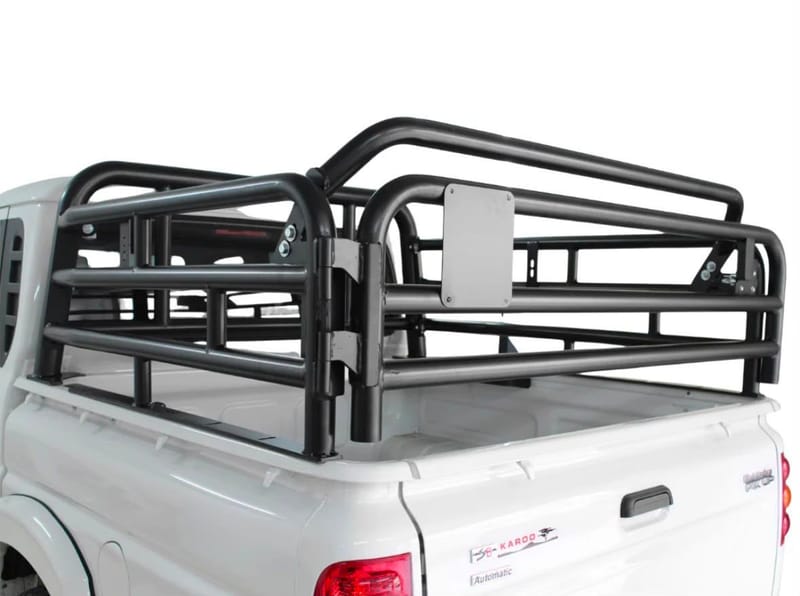
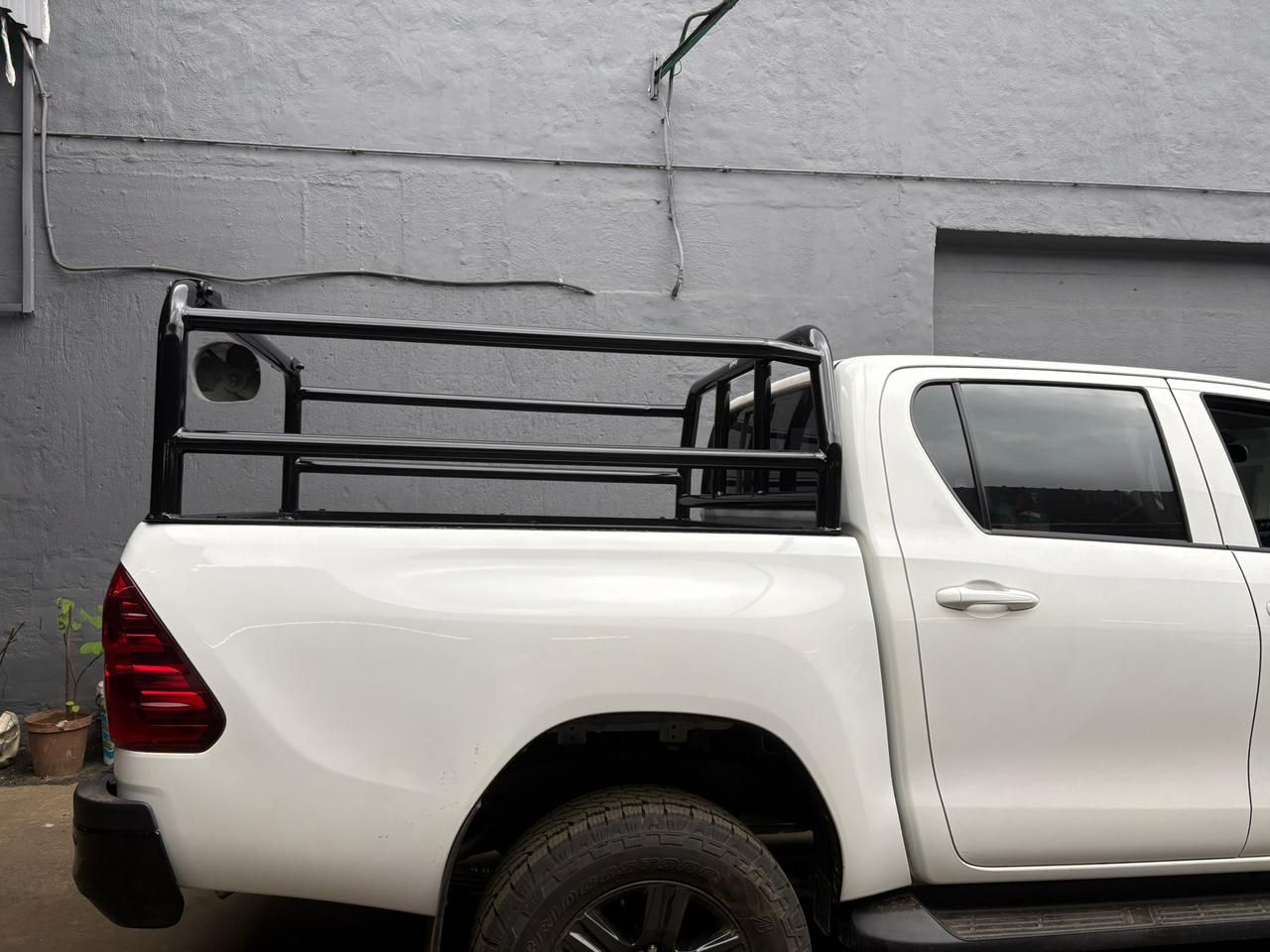
CATTLE RAILS
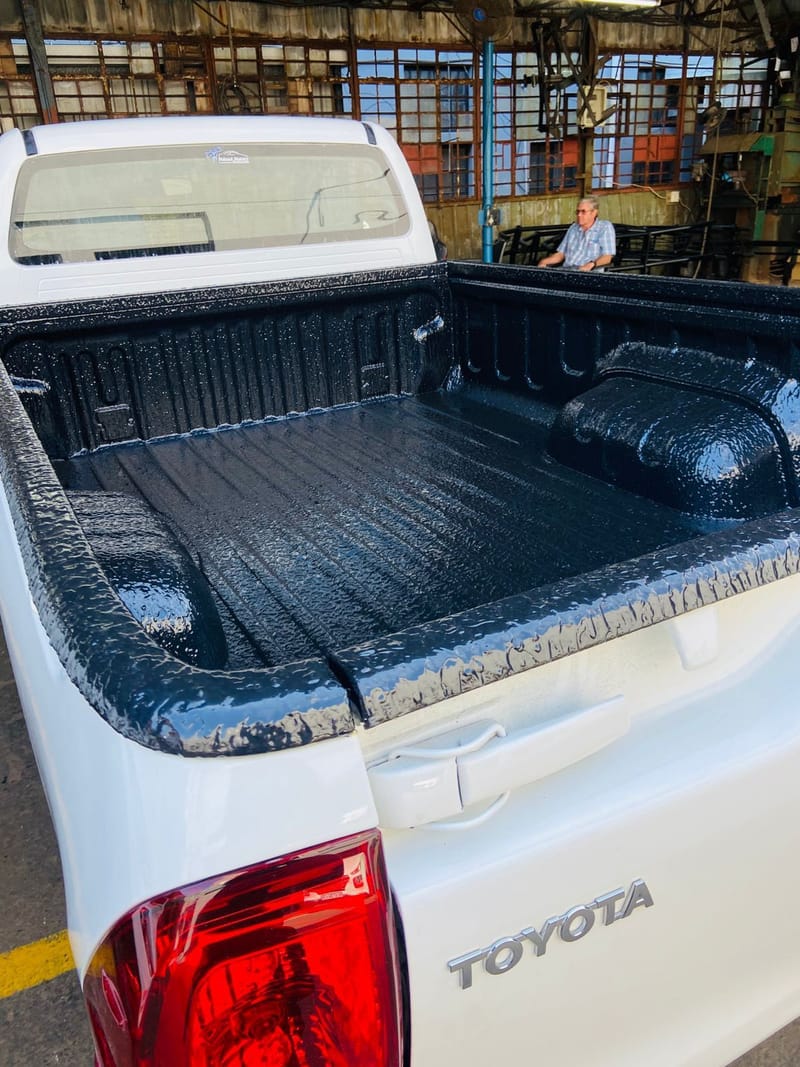
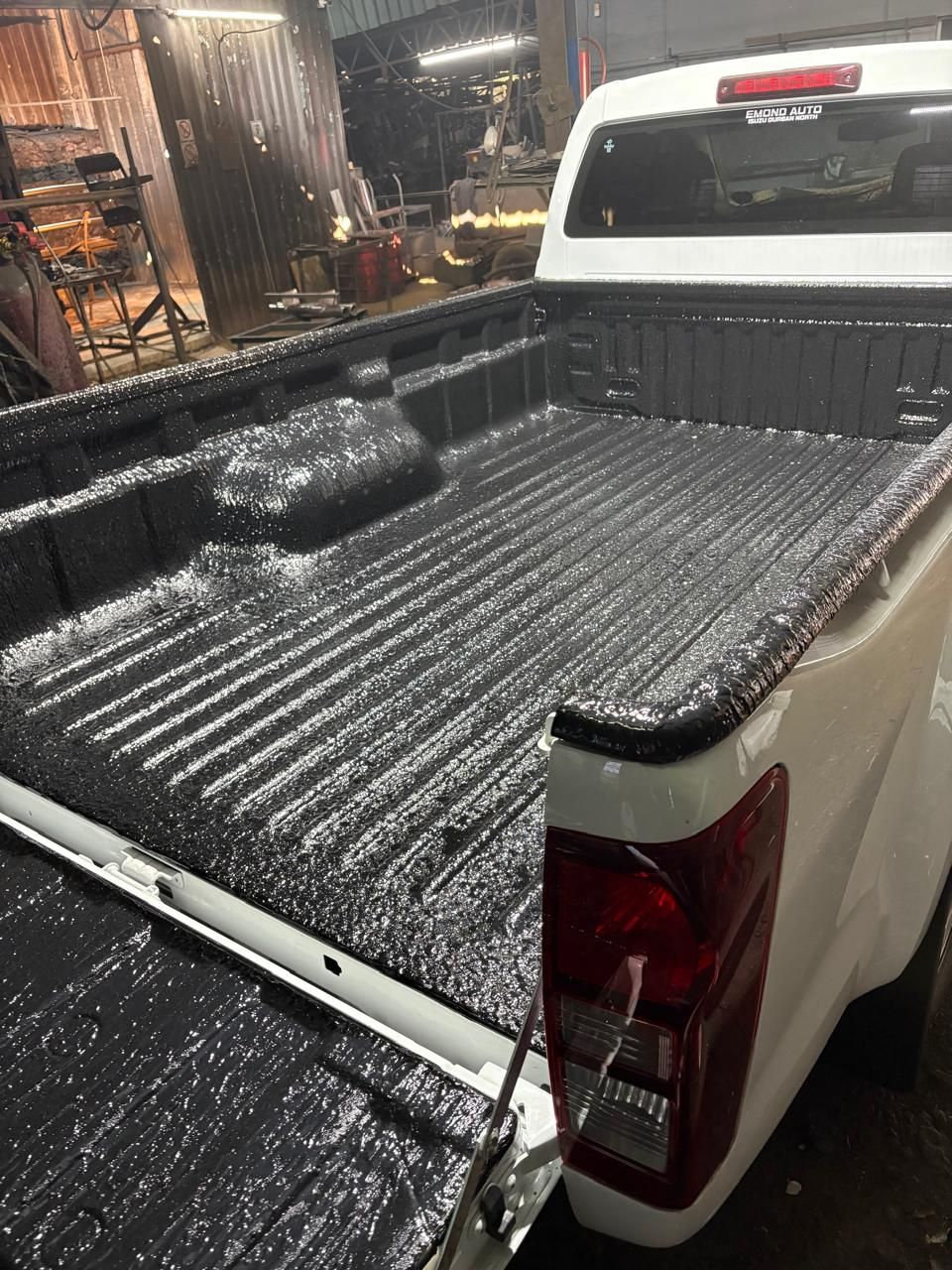
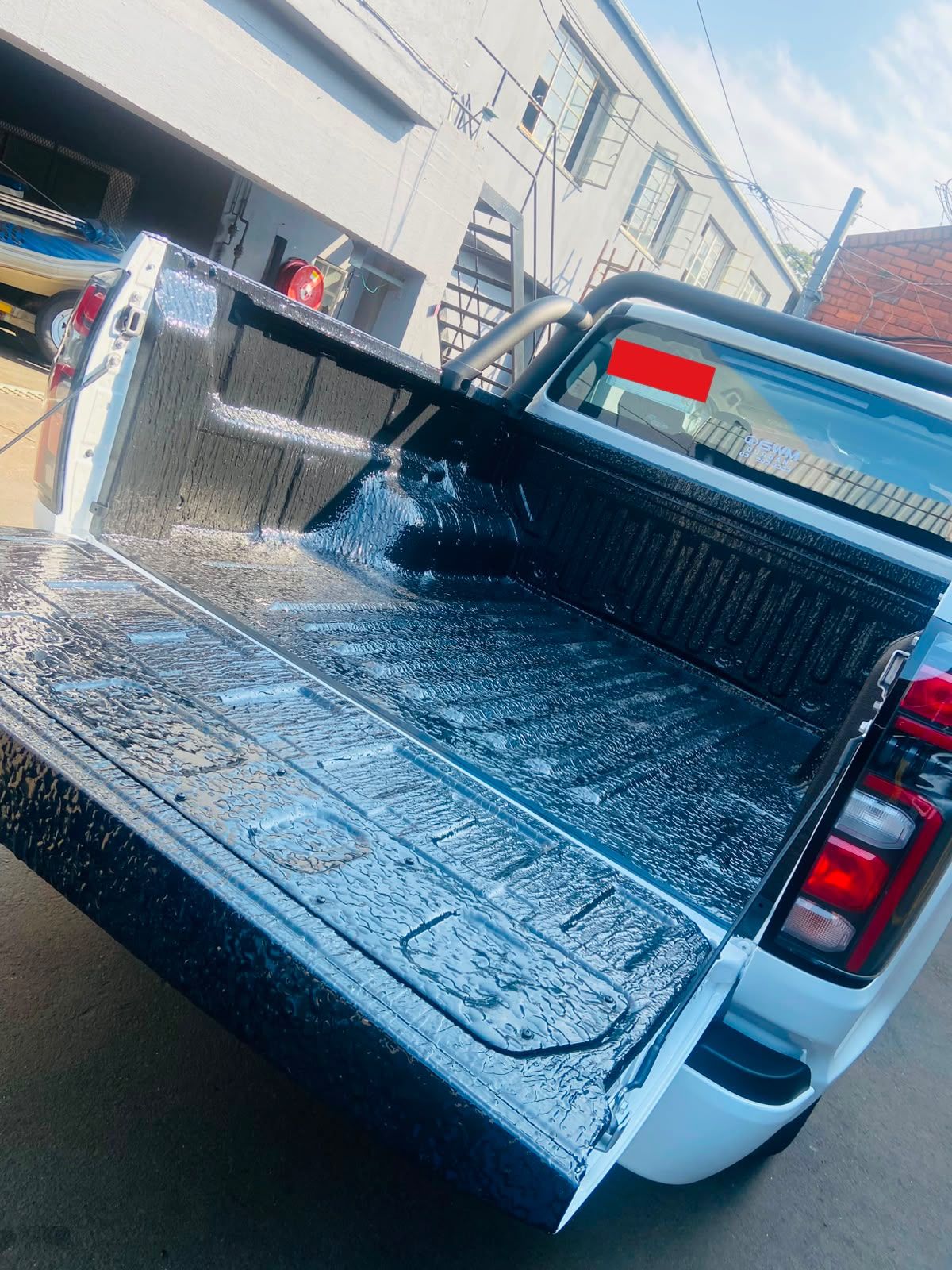
BIN LINING
3mm or 5mm available
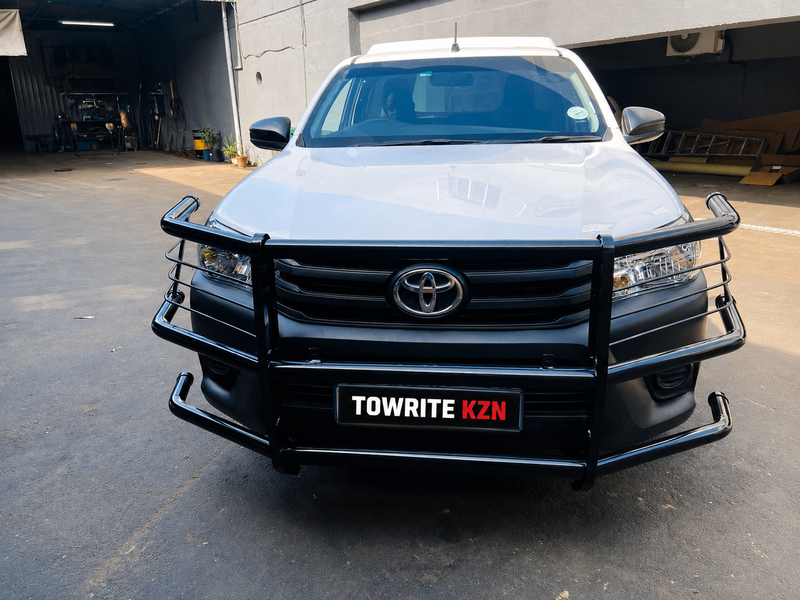
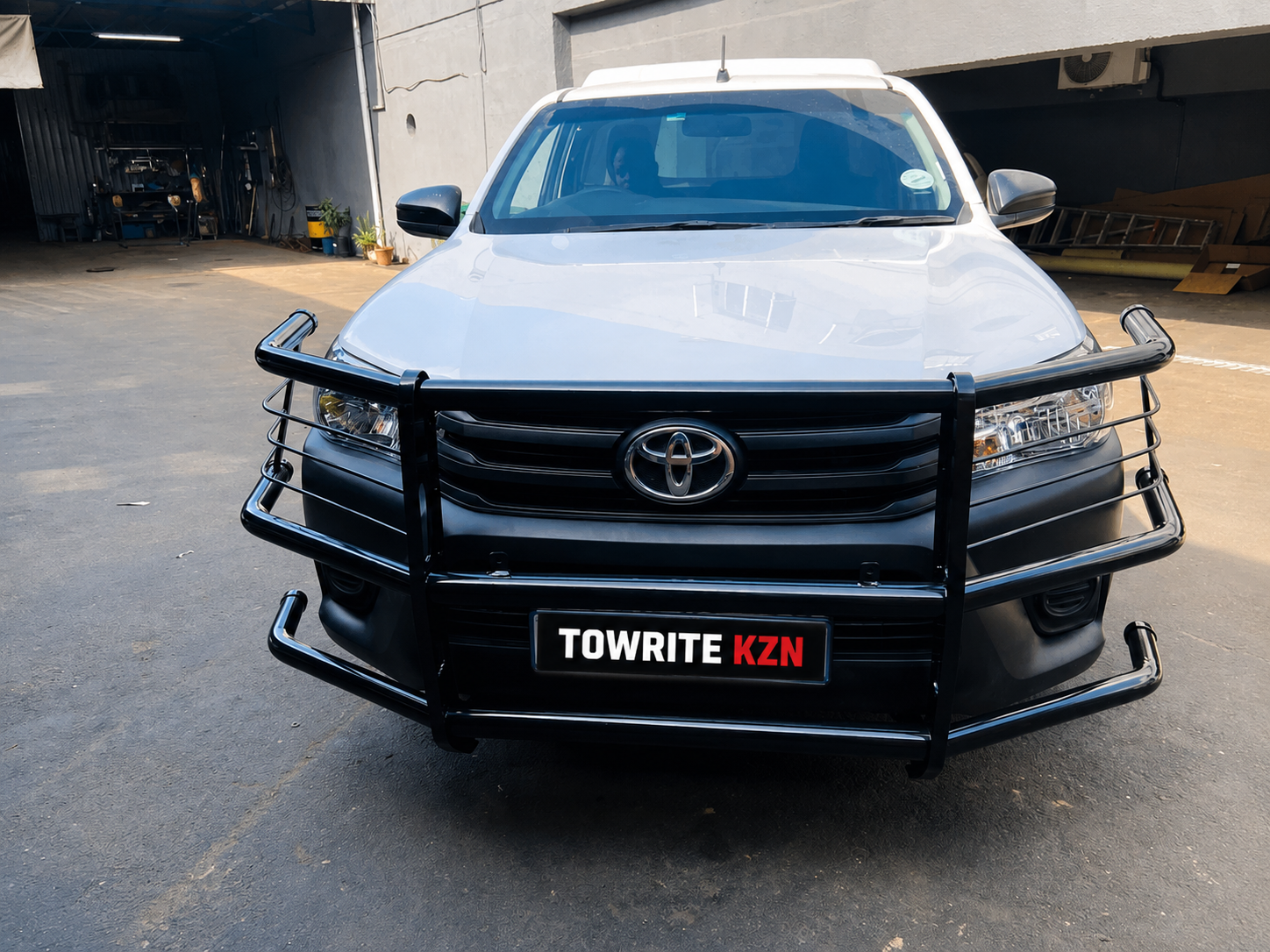
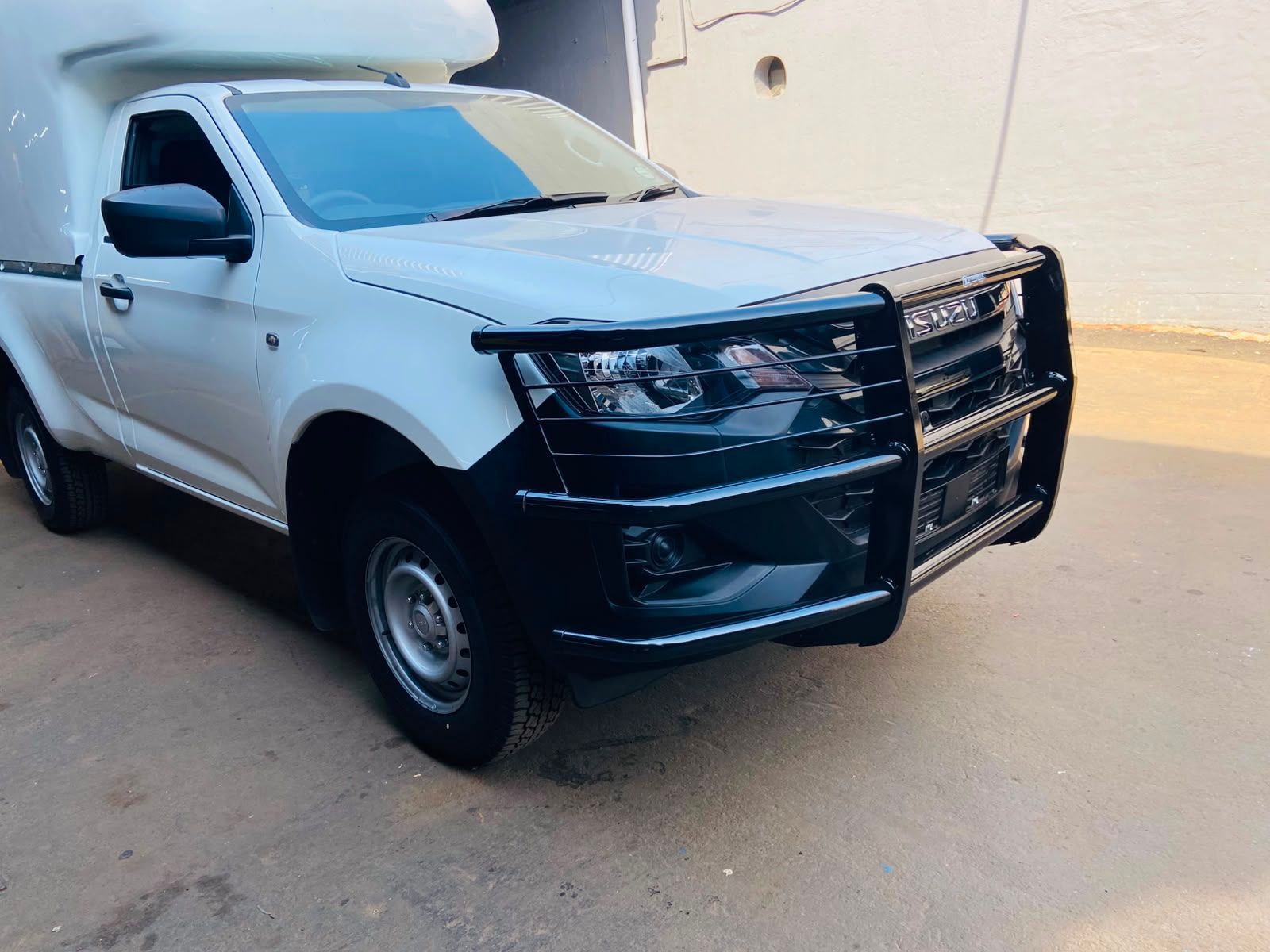
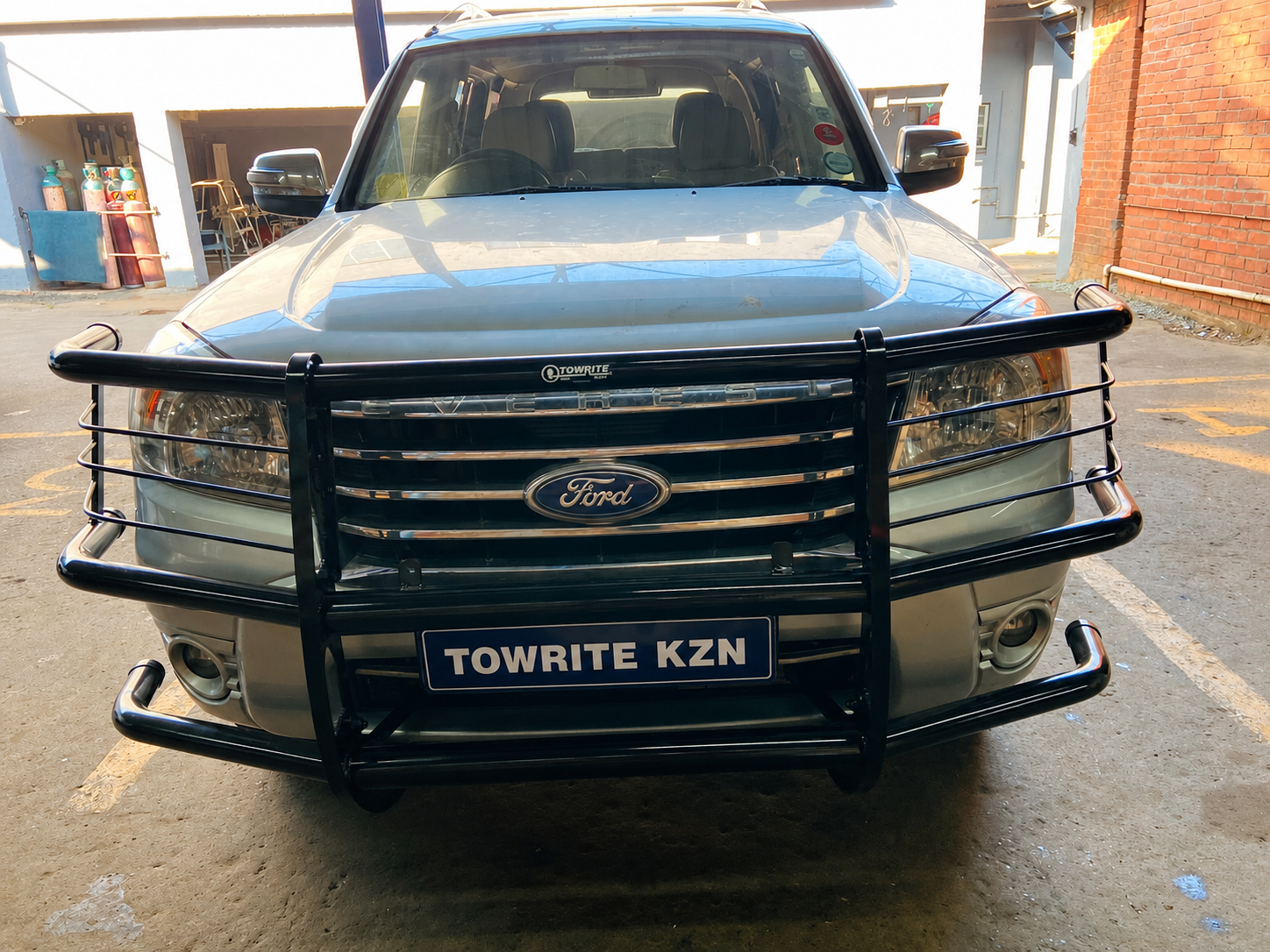
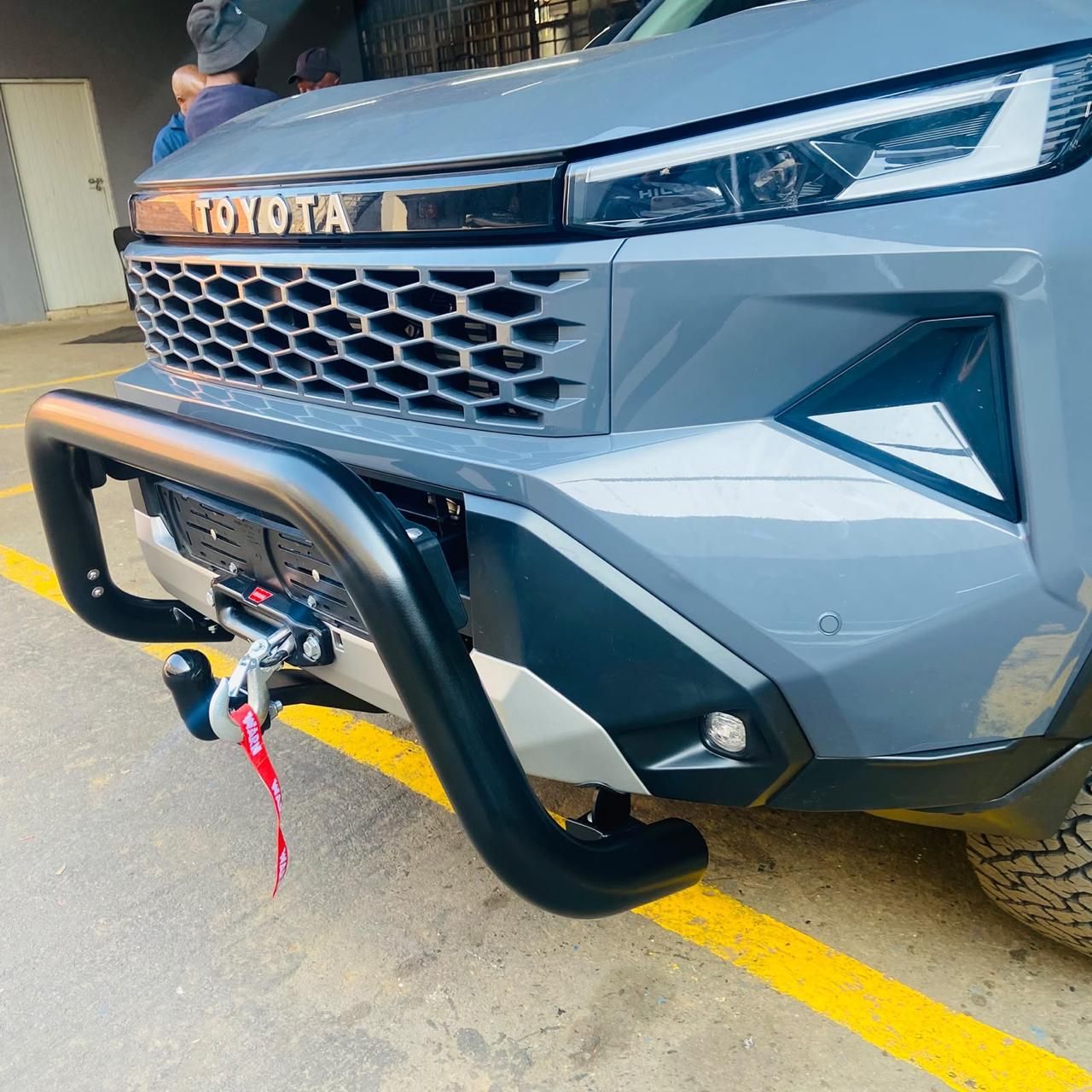
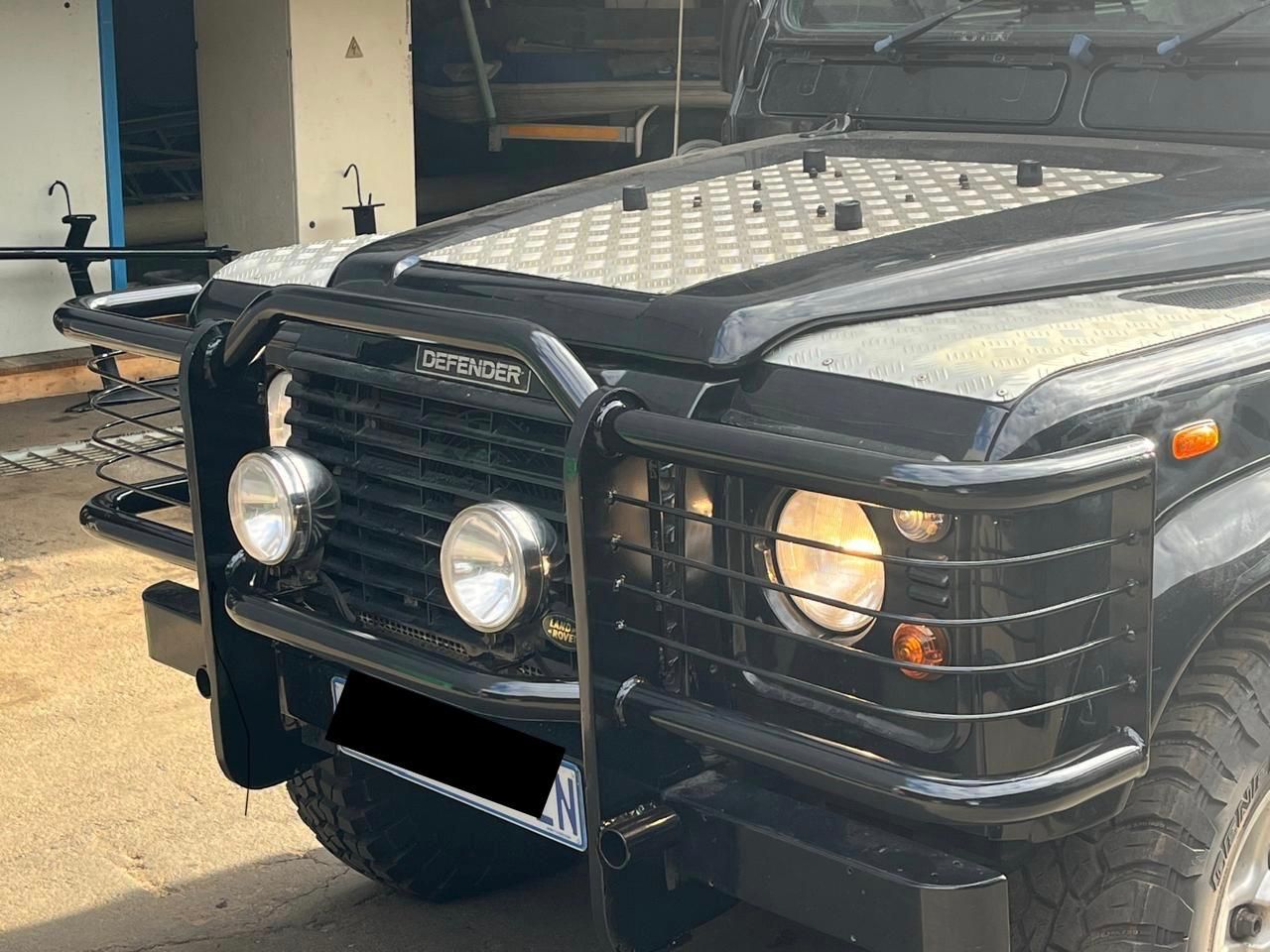
BULL BARS
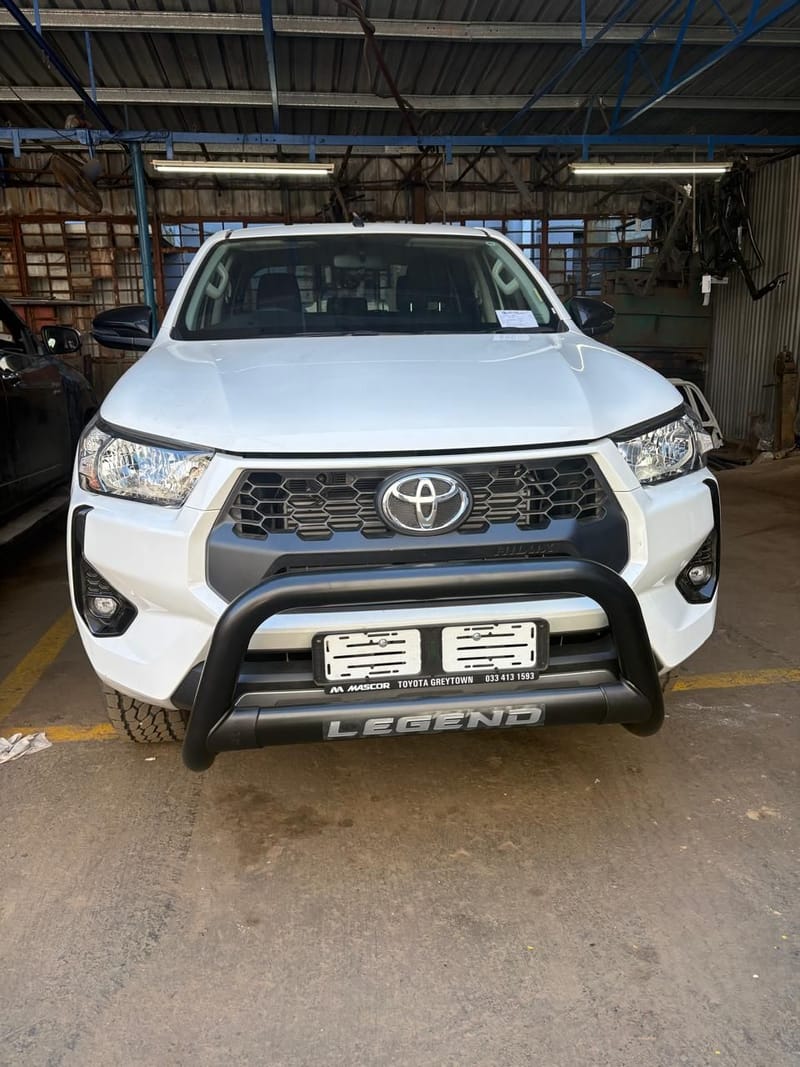
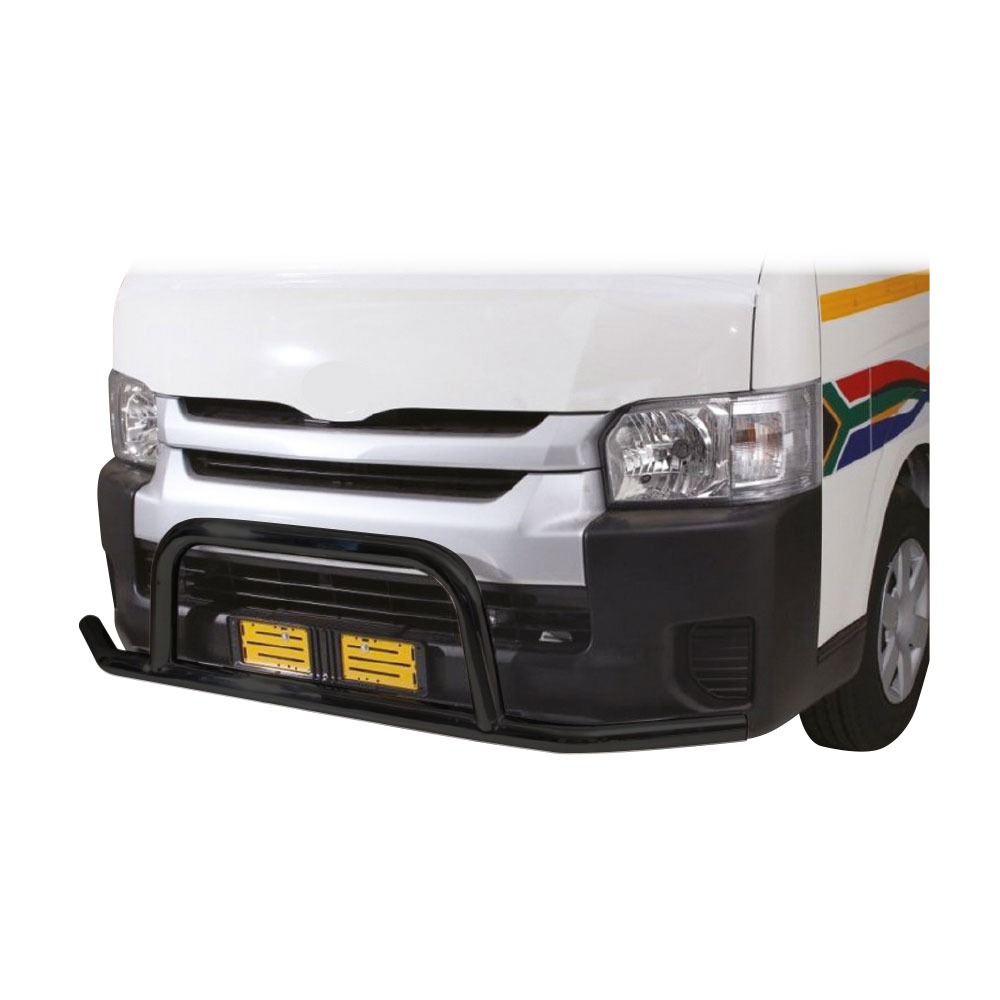
NUDGE BARS
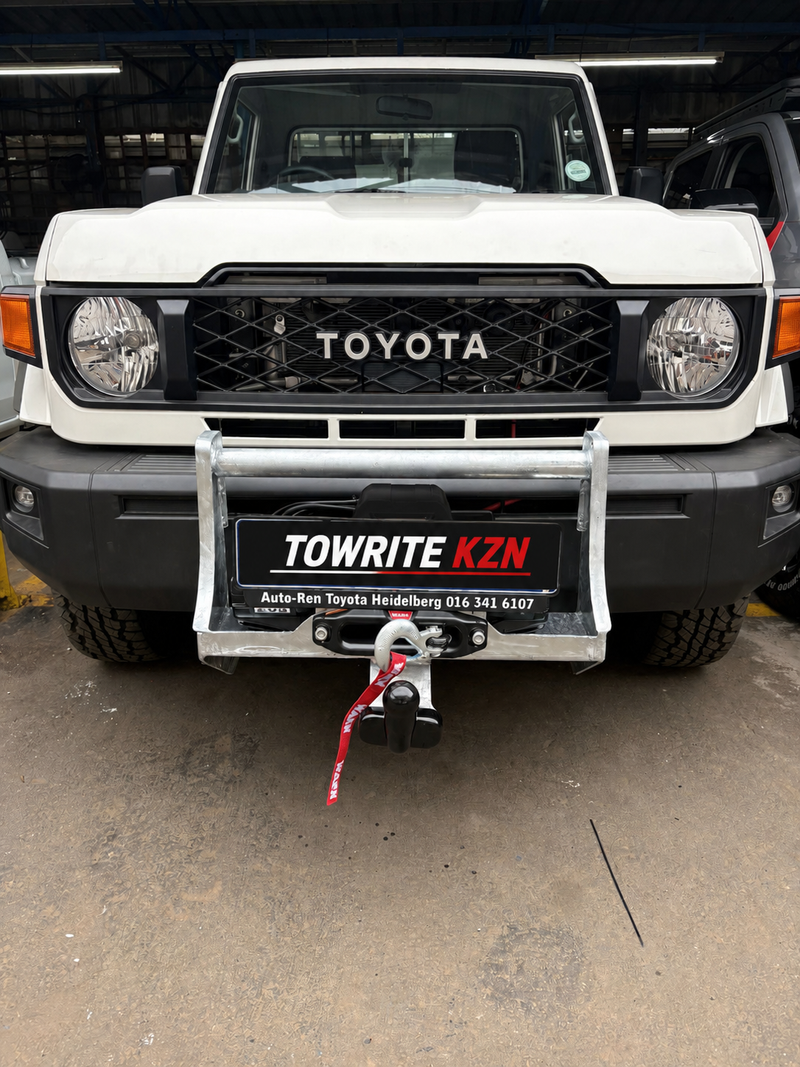
WINCHES
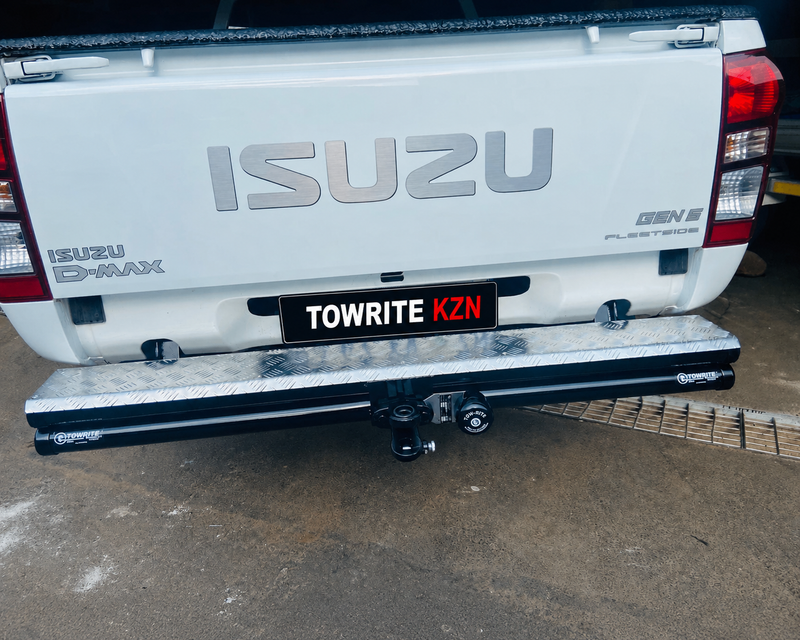
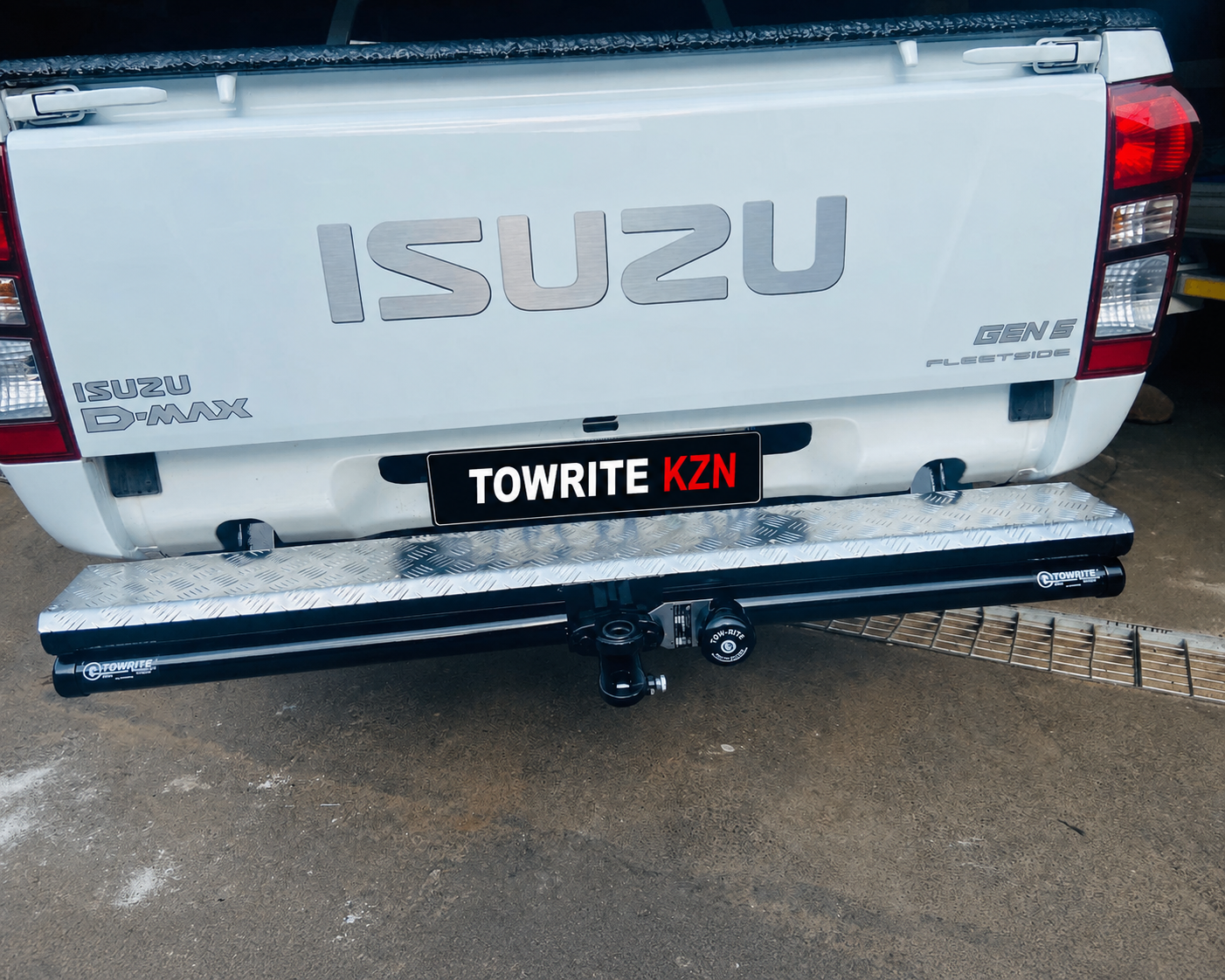
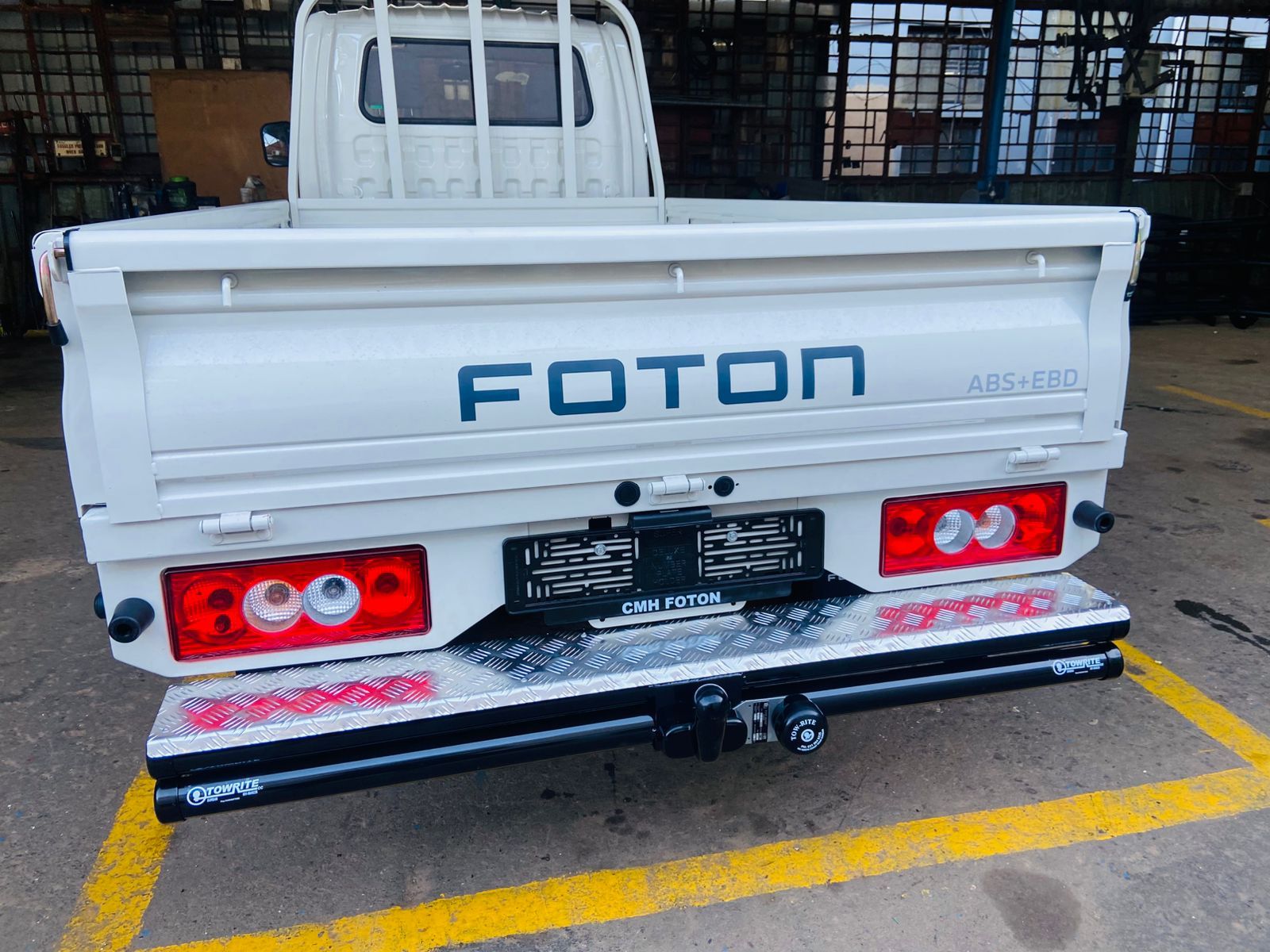
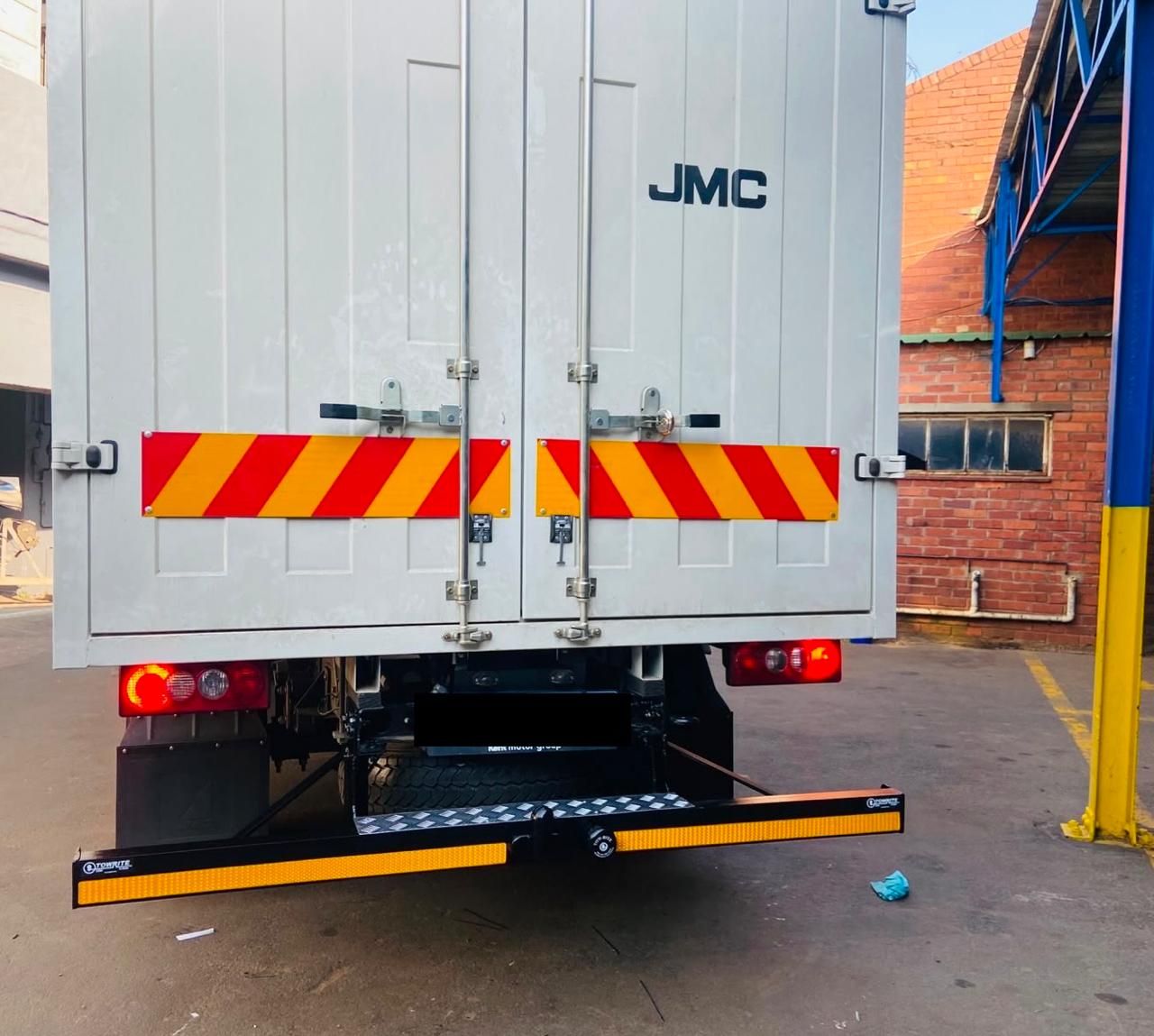
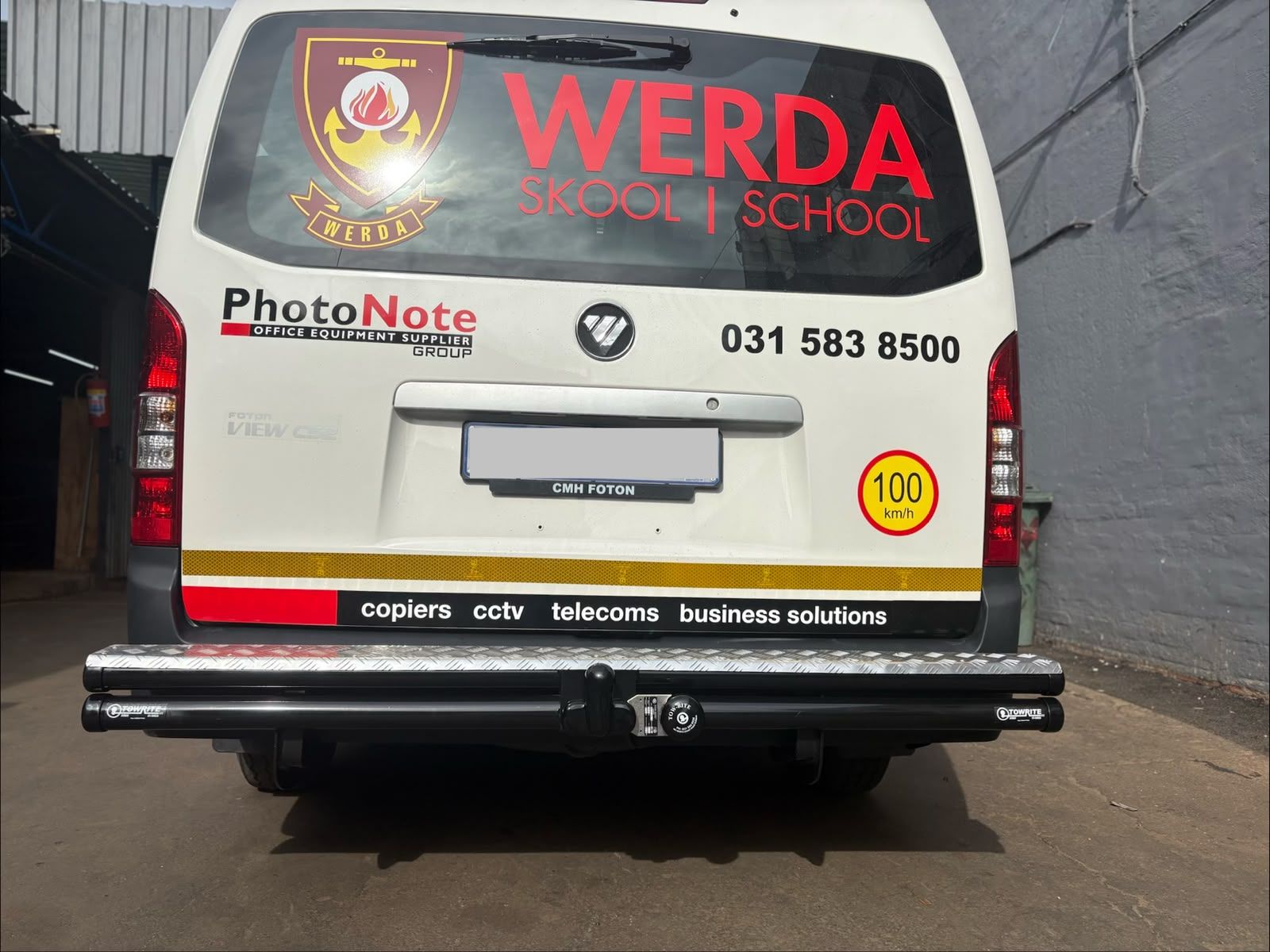
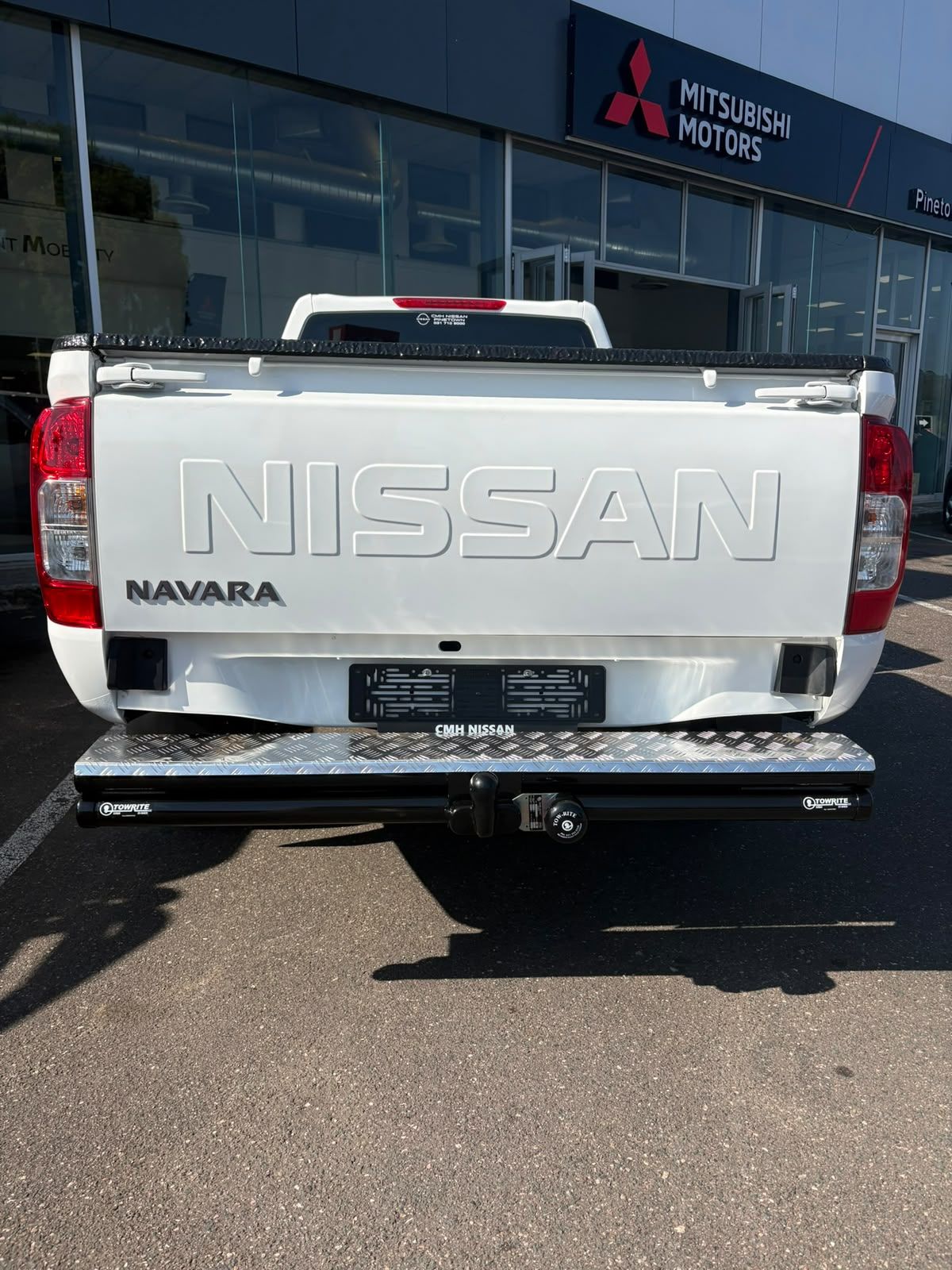
DOUBLE TUBE STEP TOWBAR
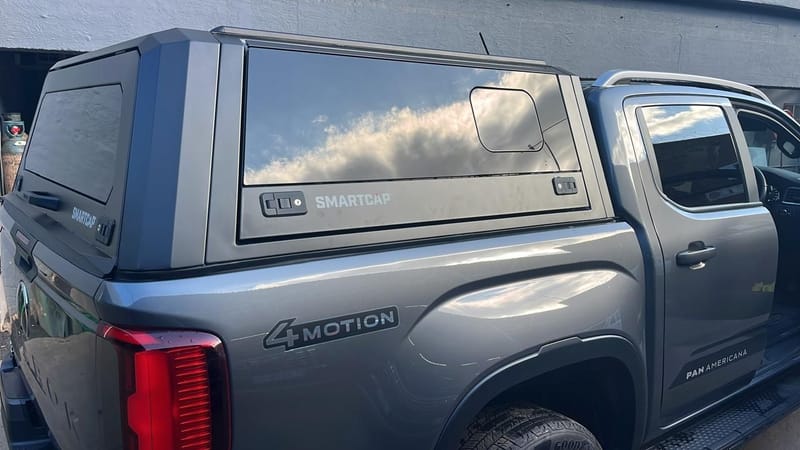
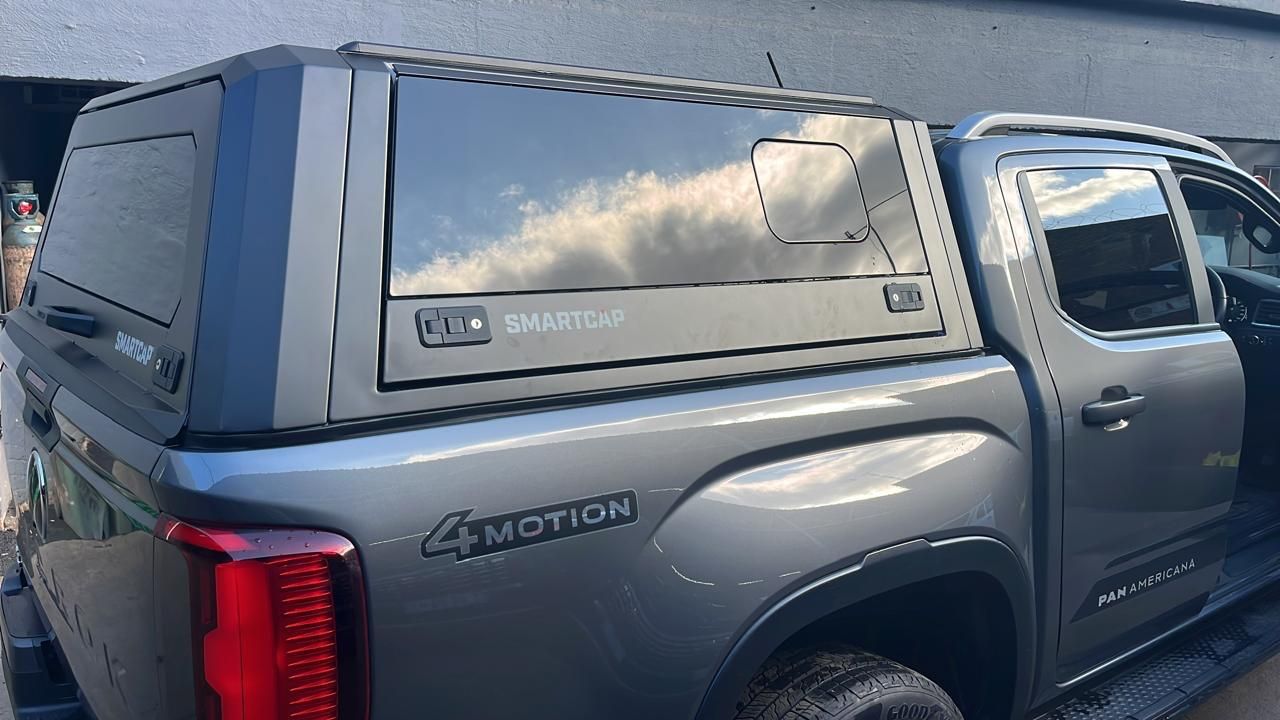
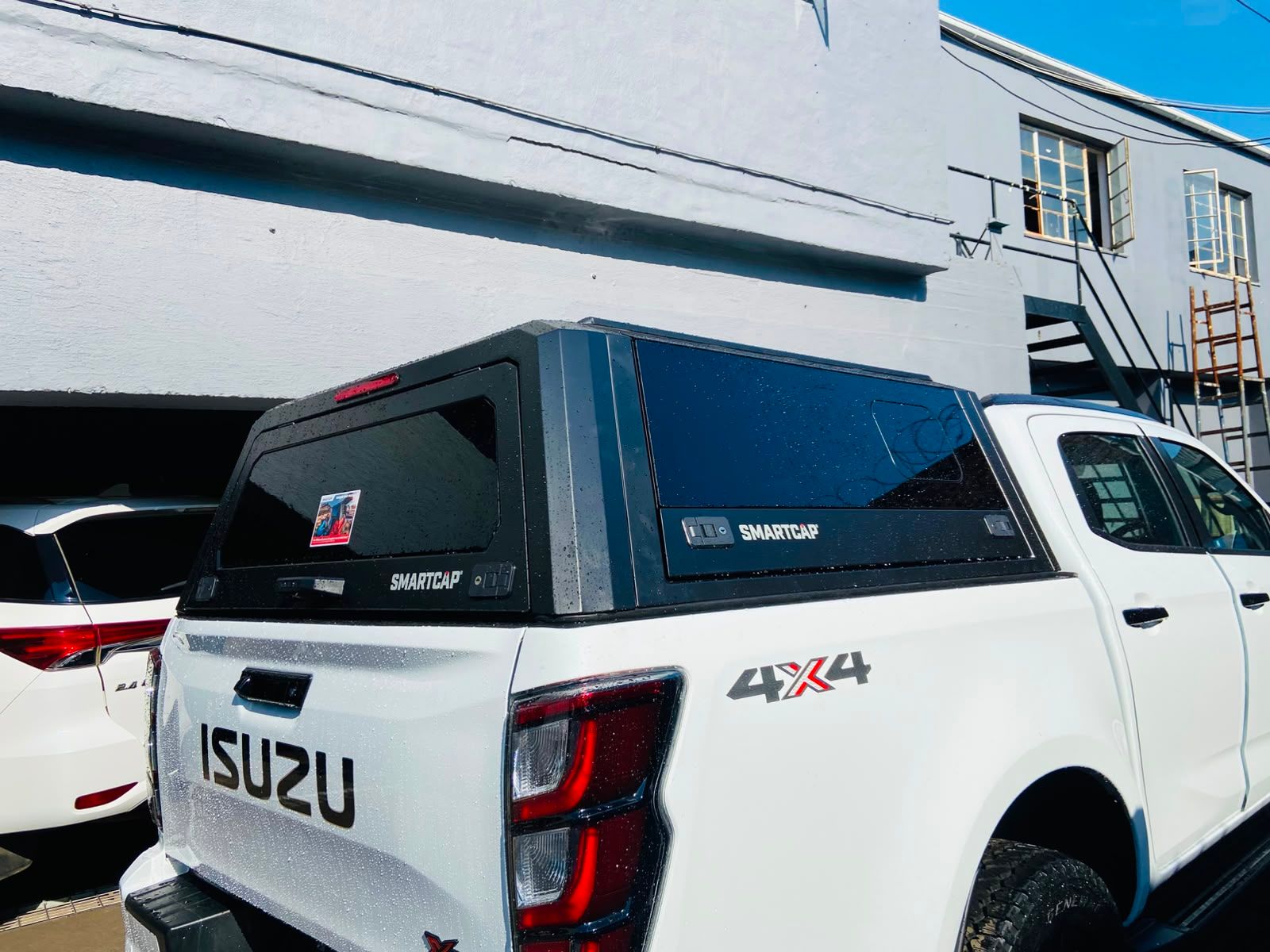
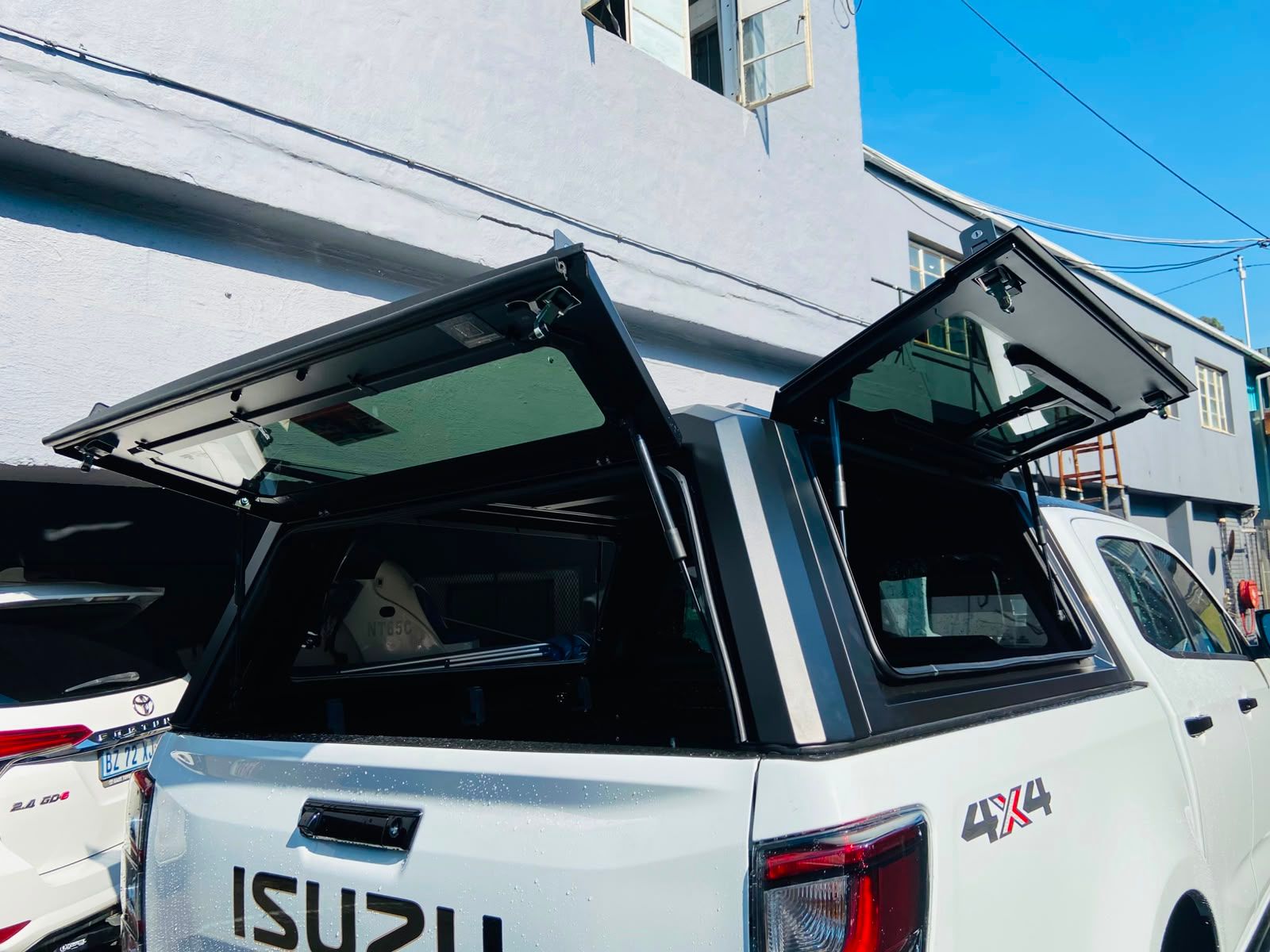
SMARTCAP CANOPIES
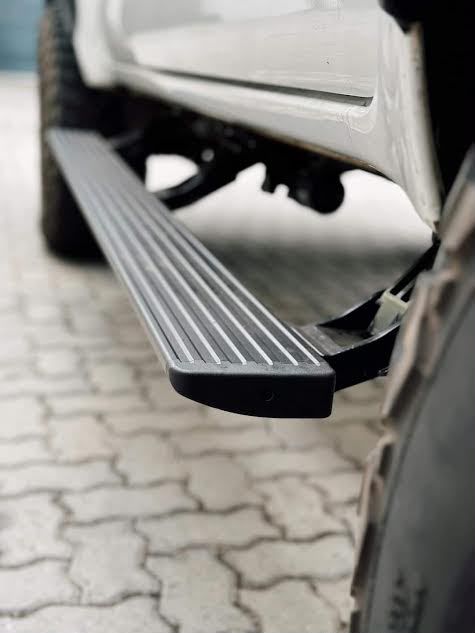
SIDE STEPS
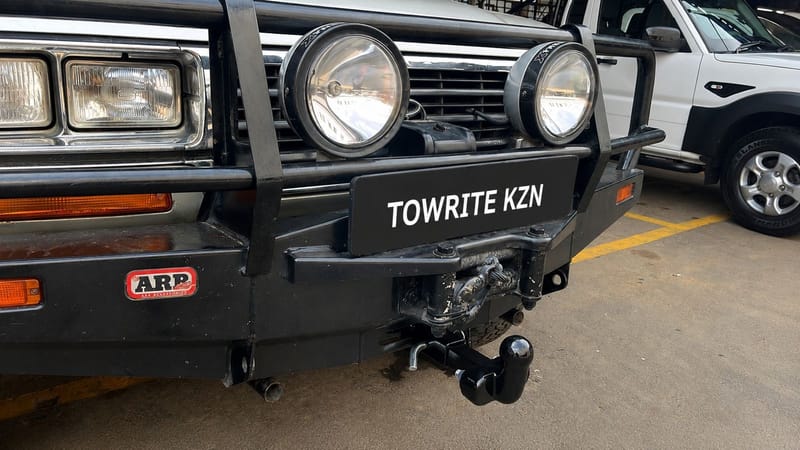
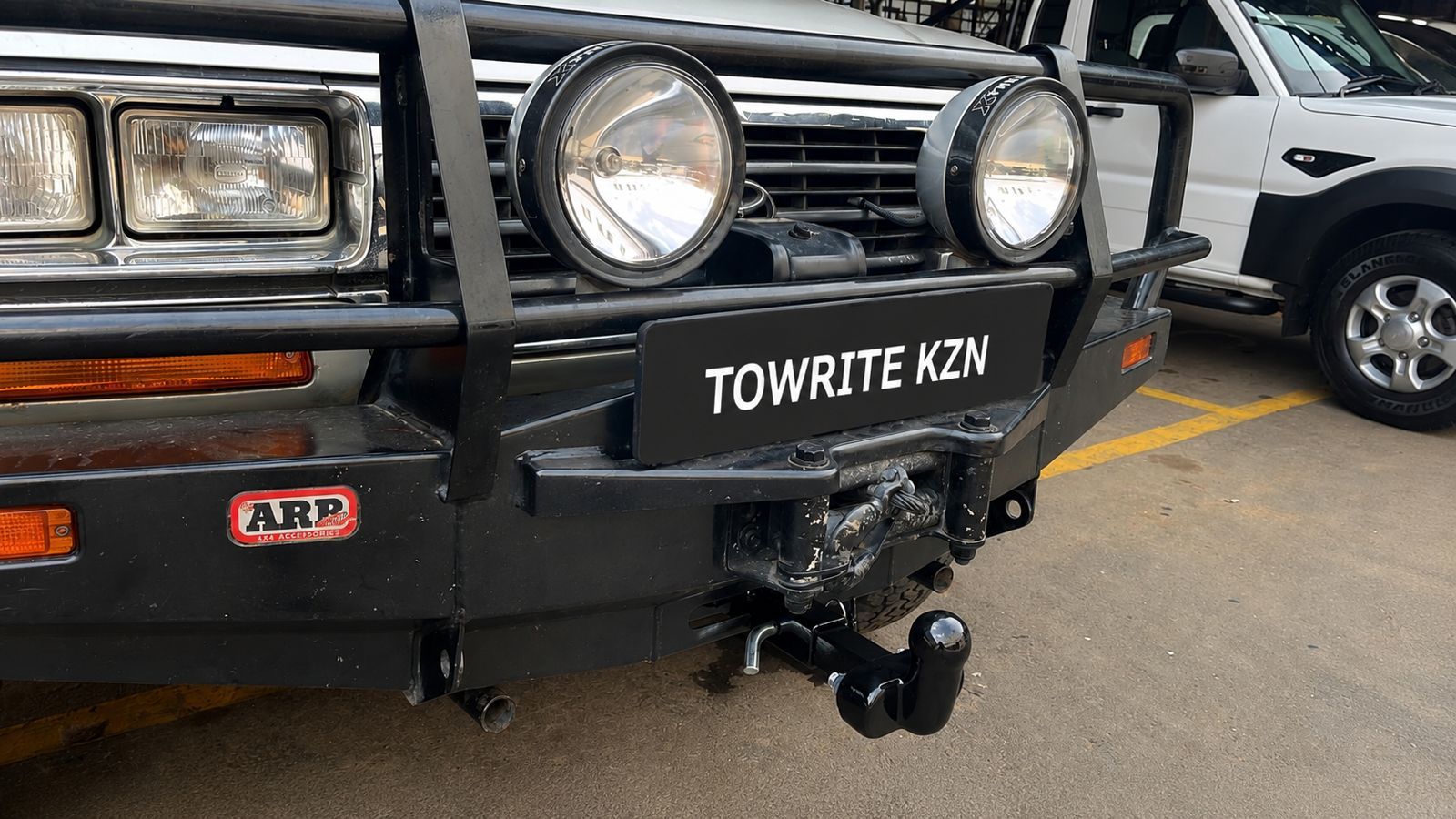
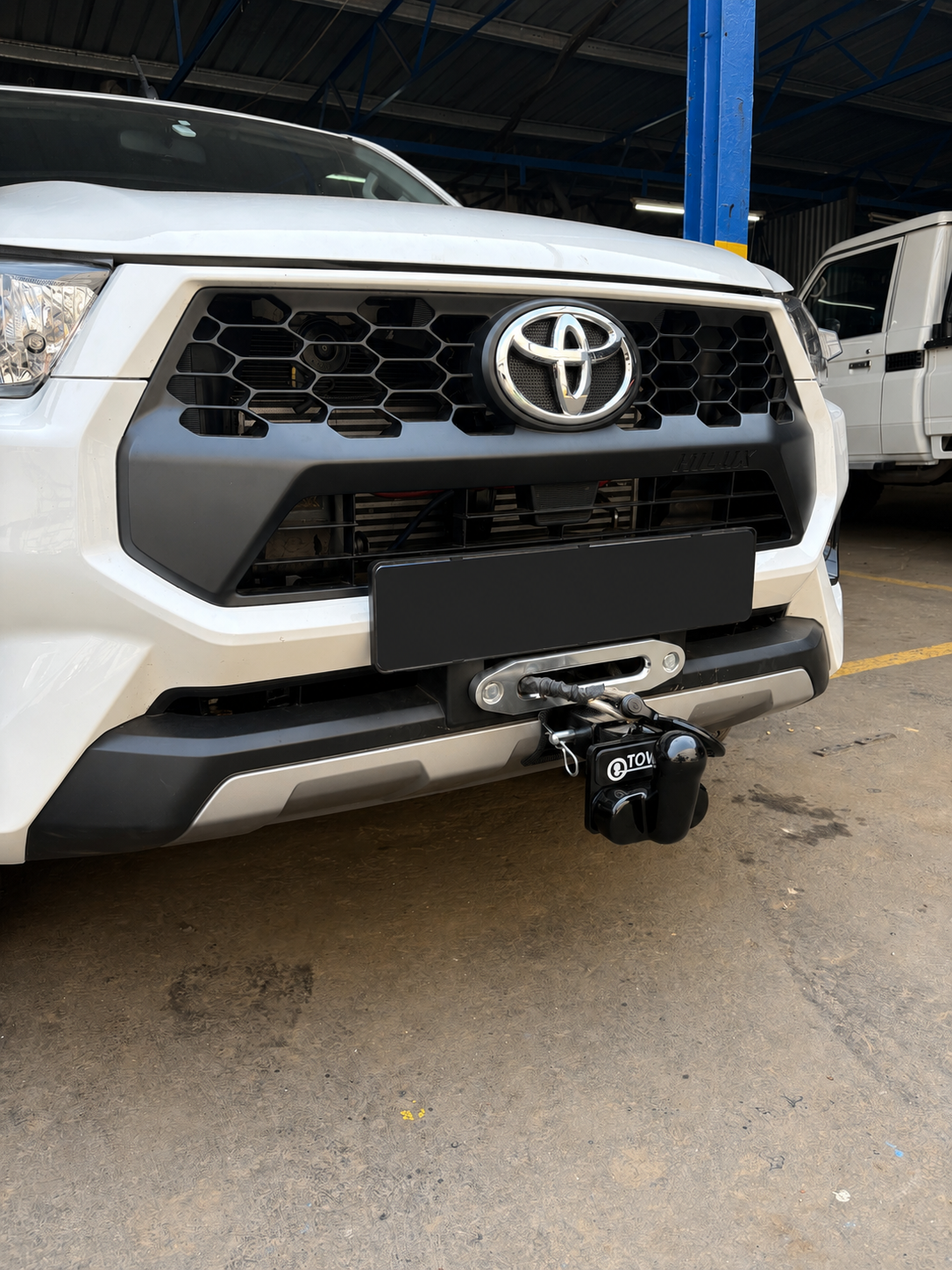
FRONT TOW BAR
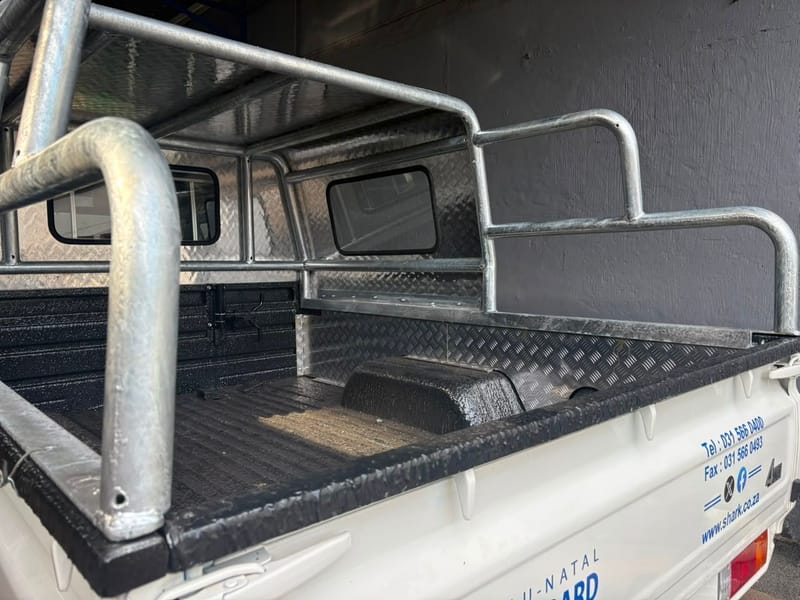
ROLL CAGES
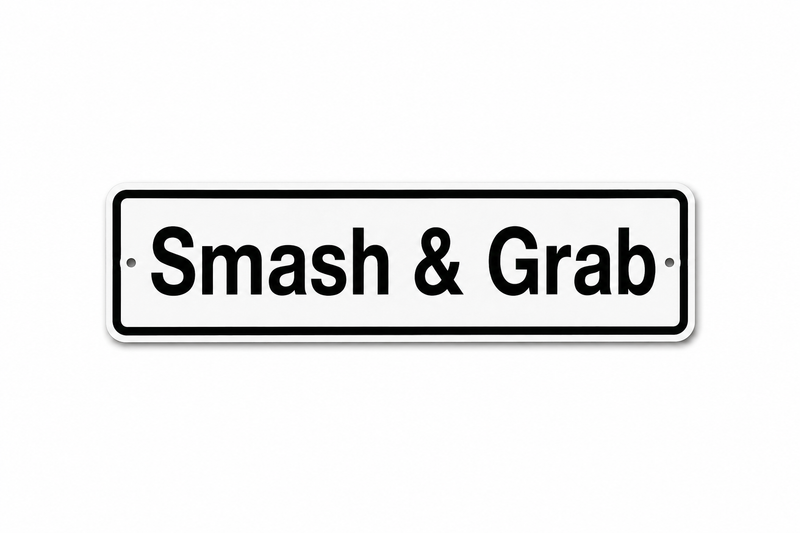
SMASH & GRAB
Contact
- 504 Chris Hani Road, Briardene, Durban North, South Africa
- P.O. BOX 22410 or Glenashley 4022
- +27-31 564 9235 - Towrite (Office)
 +27-73 705 9272 - Whatsapp Towrite
- +27-83 287 1293 - Bruce (Director)
- +27-83 702 2366 - Mike (Director)
- sales@towrite.co.za
- Monday - Friday: 7:30am - 5:00pm
About
With more than 50 years of experience behind the brand, Towrite remains committed to delivering products that customers can rely on time and time again. We proudly offer a lifetime warranty on our towbars, while our bull bars, nudge bars, roll bars, electrics, and selected accessories are backed by a 3-year warranty.
Safety, quality, and reliability are at the heart of everything we do. Our extensive range of products is manufactured and fitted to the highest standards, which positions Towrite as a leader in the South African towbar and vehicle accessory industry. We understand that every vehicle and customer requirement is unique, which is why we offer custom manufacturing and fitment solutions for towbars, roll bars, bull bars, cab guards, and a wide range of vehicle accessories.
Each product is carefully engineered and developed to fit the specific vehicle and its towing or chassis mounting points, ensuring optimal performance, durability, and safety.
At Towrite, we utilize advanced design and manufacturing processes, including 3D CAD systems, precision profile cutting, standard-tolerance jigs, and computer-controlled steel pipe bending technology. These modern tools, combined with decades of industry expertise, allow us to consistently deliver products that are expertly manufactured and professionally fitted.
Our commitment to excellence is reflected in our SABS-approved product range, giving our customers complete confidence that every product meets national safety and industry standards.
As the automotive industry continues to evolve, Towrite remains dedicated to innovation, continuously expanding our product range and developing new solutions. We work closely with vehicle manufacturers, industry partners, designers, and engineers to ensure that every product we produce meets the highest standards of quality and performance.
Proudly South African, all our design, manufacturing, and fitment processes take place locally. While ownership may have changed, our commitment to quality workmanship, reliability, and exceptional customer service remains stronger than ever.
Behind you all the way, since 1971.
Main Categories
Gallery
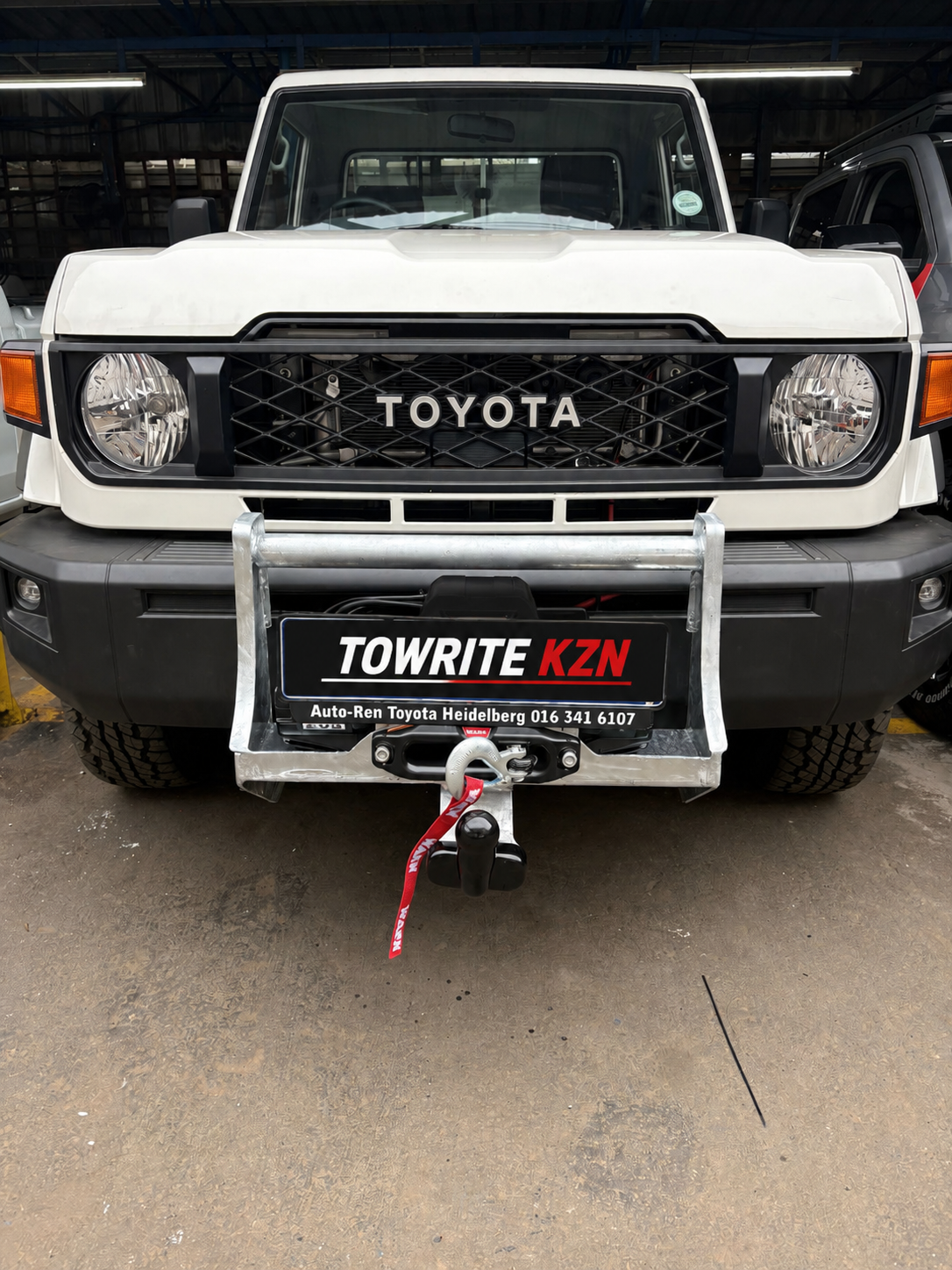
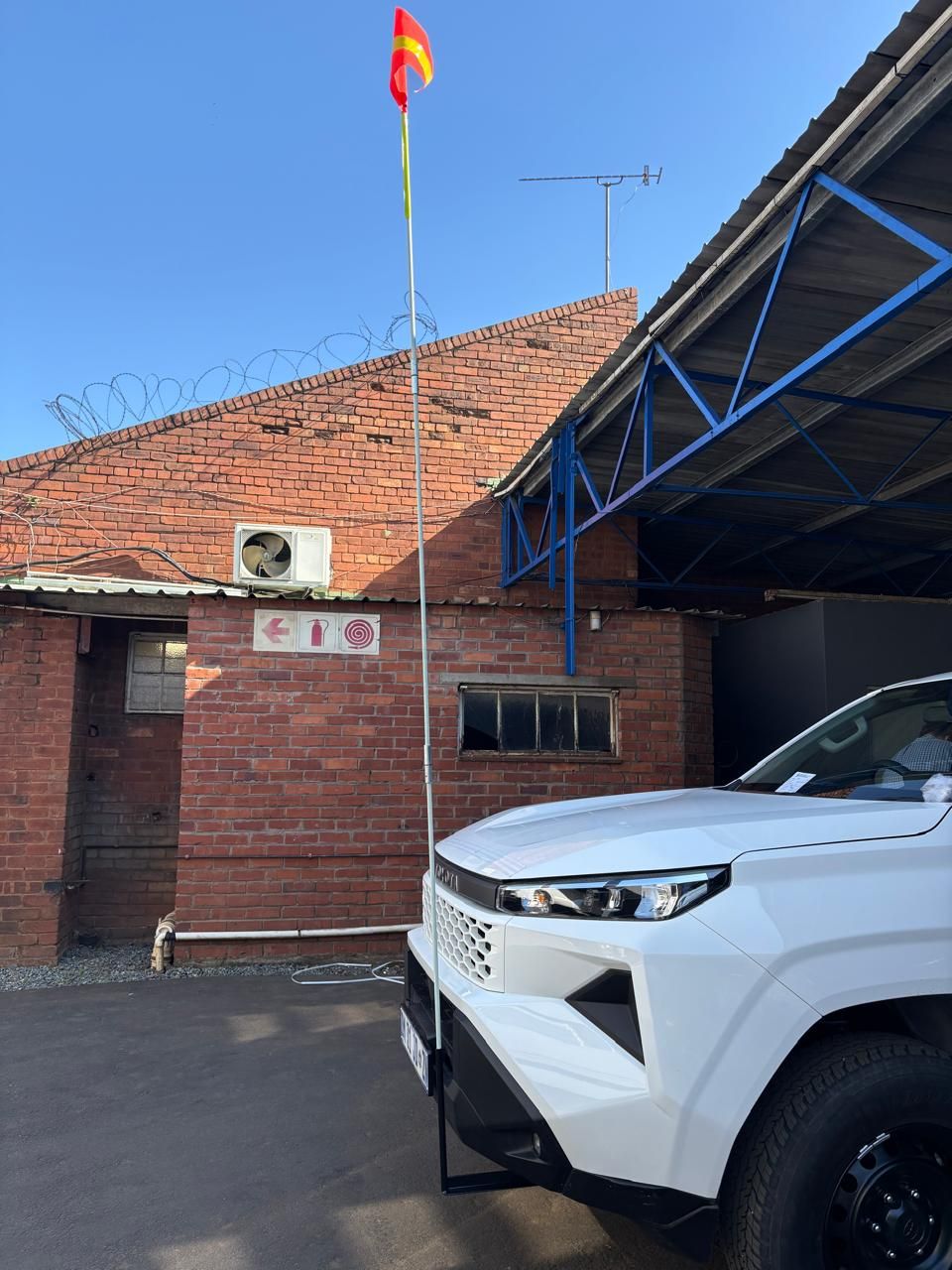
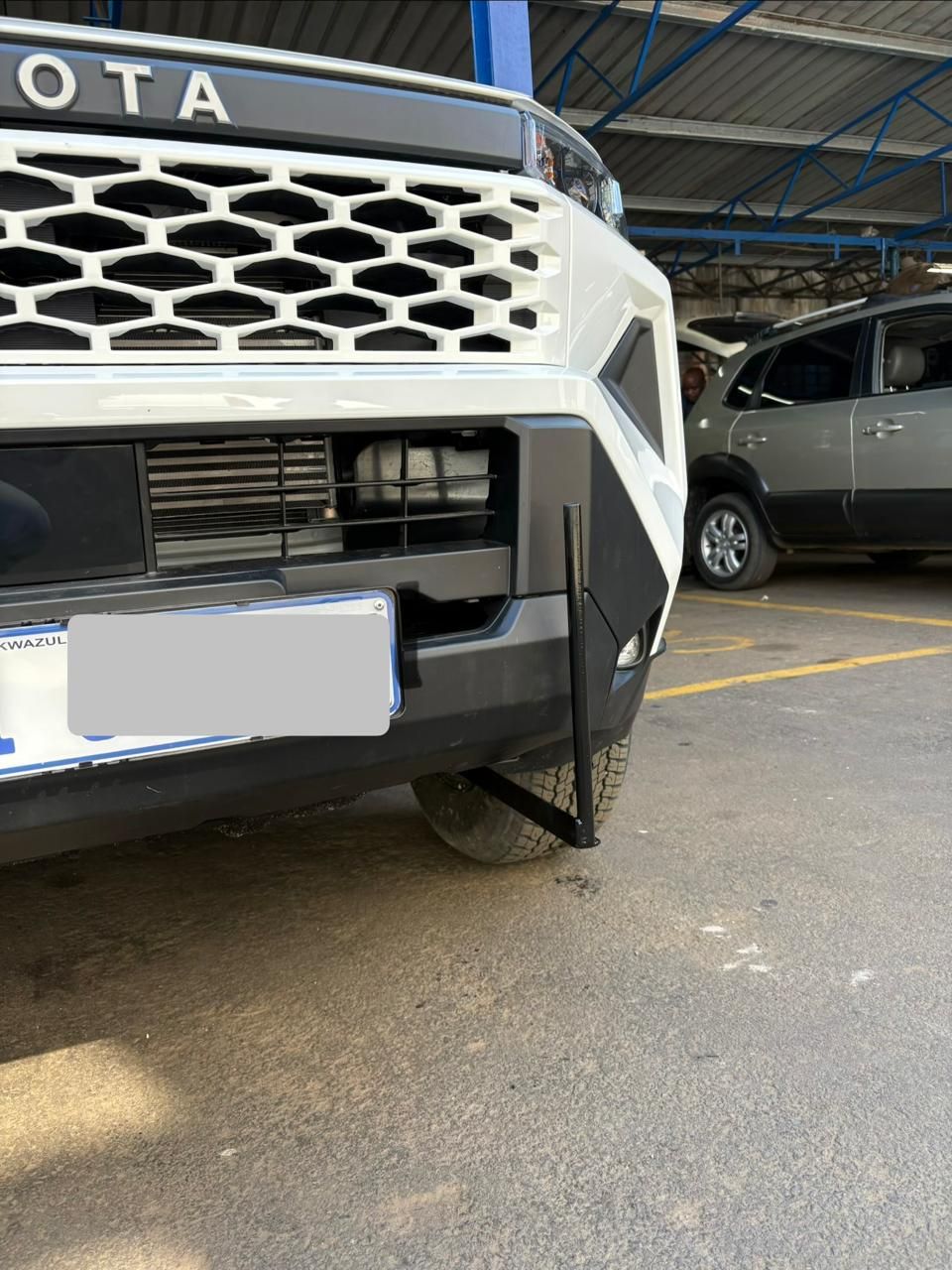
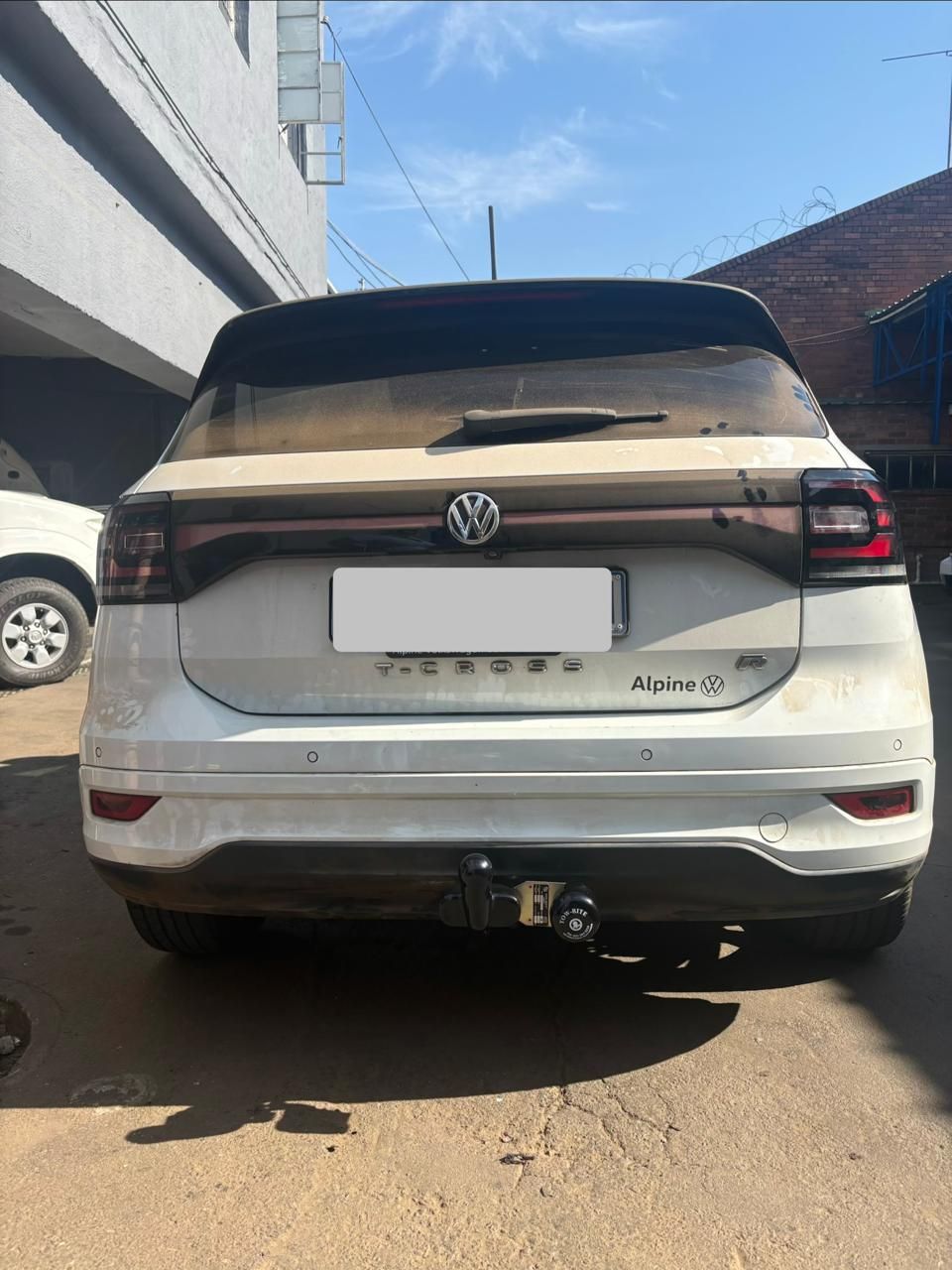
Services
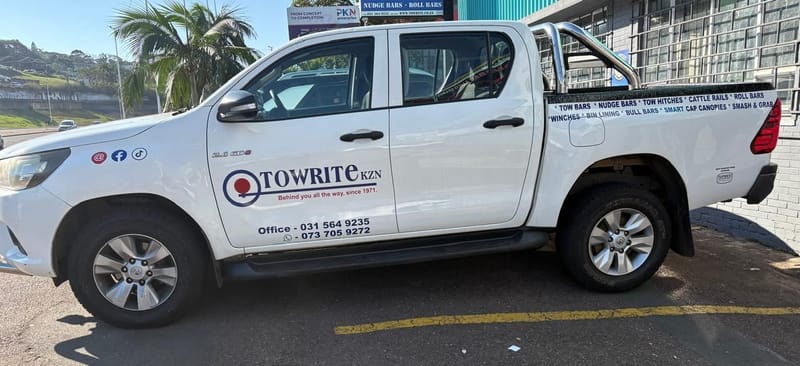
LIFTING SERVICES
This service will only be made available dependent on location.
OUR LOYAL CUSTOMERS
certificates
SABS APPROVED
The South African Bureau of Standards (SABS) is a South African statutory body that was established in terms of the Standards Act, 1945 (Act No. 24 of 1945) and continues to operate in terms of the latest edition of the Standards Act, 2008 (Act No. 29 of 2008) as the national institution for the promotion and maintenance of standardisation and quality in connection with commodities and the rendering of services.[1]
Learn More
NRCS APPROVED
The National Regulator for Compulsory Specifications (NRCS) is an agency of the Department of Trade, Industry and Competition (the dtic). The organisation was established on 1 September 2008, in accordance with the provision of National Regulator for Compulsory Specifications Act 5 of 2008 and emerged as an independent organisation from the original Regulatory Division of the South African Bureau of Standards. The NRCS mandate includes promoting public health and safety, environmental protection and ensuring fair trade. This is achieved through development of and administration of technical regulations and compulsory specifications. The legislative mandate of NRCS is derived from the following legislations: the National Regulator for Compulsory Specifications Act 5 of 2008, the Legal Metrology Act 9 of 2014, and the National Building Regulations and Building Standards Act 103 of 1977. The NRCS’s role as regulator is to ensure businesses produce, import and sell products or services that are not harmful to consumers and the environment or that fall short of the declared measured quantity. The NRCS also provides regulatory function for the building industry to ensure building safety, structural stability and uniform interpretation of the NBR and BS Acts. The vision of the NRCS is to be a credible and respected regulator for the protection of the public, the economy and the environment. Its mission is to develop compulsory specifications and technical regulations, and maximise compliance of regulated products and services. The NRCS's strategic objectives are to: develop, maintain and administer compulsory specifications and technical regulations; maximise compliance with compulsory specifications or technical regulations; ensure recognition and awareness of the NRCS; and be a sound, effective and efficient organisational governance. The broad mandate of the NRCS is to promote public health, safety and environmental protection through the development and enforcement of compulsory specifications and legal metrology technical regulations. While consumer protection lies at the heart of the activities of the NRCS, this function cannot be separated from South Africa’s role as a global trading partner. South African goods and services need to be competitive in terms of cost and quality and, at the same time, be guaranteed to be safe and fit for their purpose. The NRCS’s regulated products and industries include: automotive products; built environment; chemical products, mechanical devices and materials; electrical products and appliances; frozen fish, canned fisheries, canned meat and live abalone; and measurable products, services and measuring Instruments.
Learn More
BBBEE LEVEL 4
Broad-Based Black Economic Empowerment (BBBEE or B-BBEE as written by the South African government) is a form of economic empowerment initiated by the South African government in response to criticism against narrow-based empowerment instituted in the country during 2003/2004. While narrow-based black economic empowerment led to the enrichment of a few previously disadvantaged individuals (Black African, Coloured or Indian), the goal of broad-based empowerment is to distribute wealth across as broad a spectrum of previously disadvantaged South African society as possible. In contrast, narrow-based empowerment measures only equity ownership and management representation.
Learn More